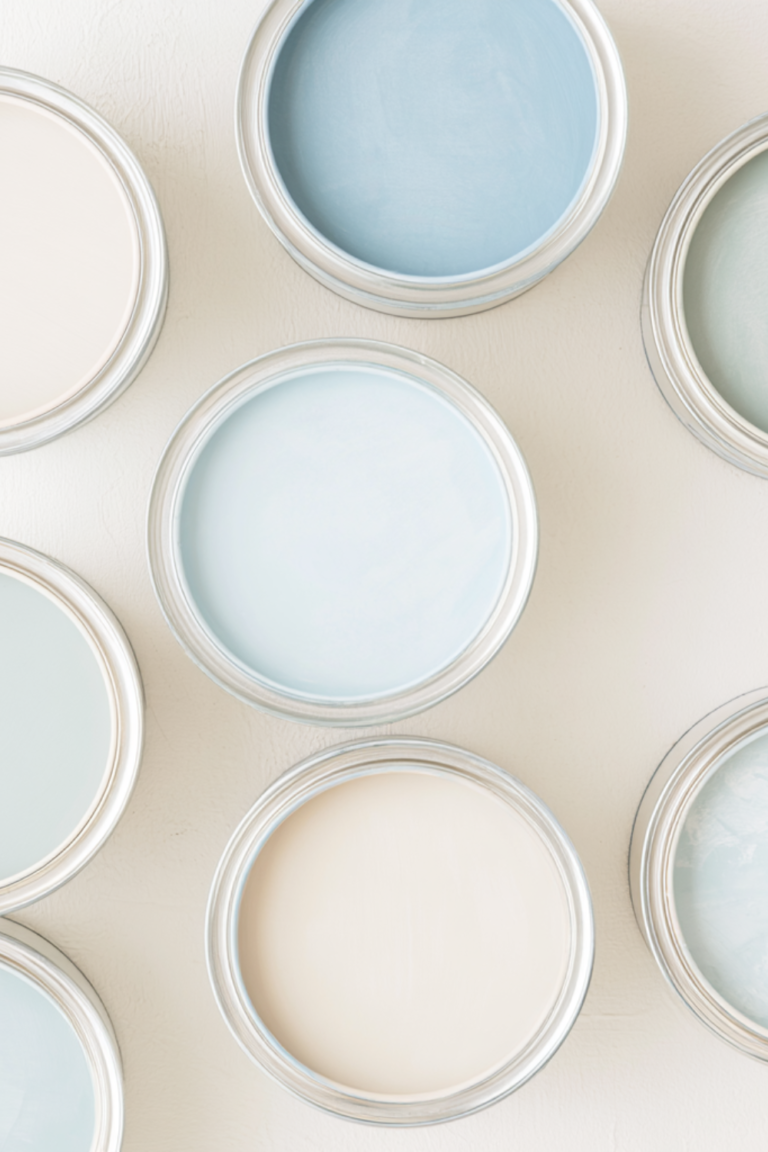
5 Coastal Living Room Color Palettes Inspired by Destin and the Emerald Coast
Living near the water has completely changed the way I think about color in my home. As someone who spends time along the beaches of Destin, Scenic 30A, and throughout the Emerald Coast, I’ve learned that coastal color palettes aren’t about decorating with bright blues everywhere or leaning into a nautical theme.
Instead, they’re about capturing a sense of calm and light — the same feeling you get the moment you step onto sugar-white sand and see that unmistakable turquoise water stretching out before you.
In this guide, I’m sharing the five palettes inspired by Destin and the Emerald Coast that I return to again and again in my own interior design work. They’re flexible enough to work in coastal and lakefront spaces alike, whether you’re decorating a Florida beach home, a suburban house, or anywhere in between.
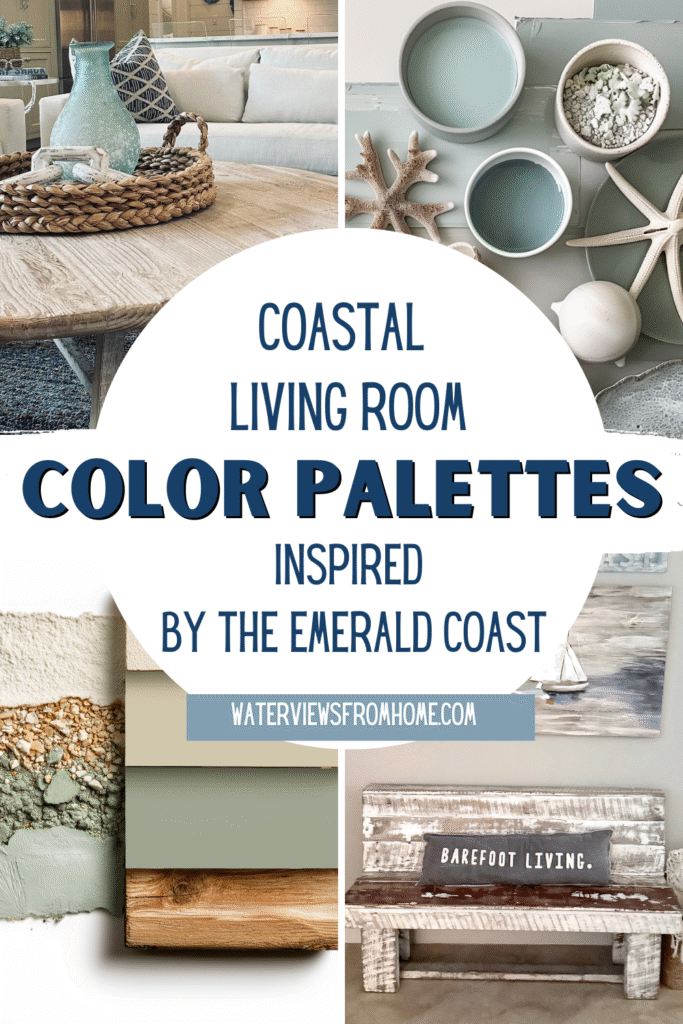
Why Destin & the Emerald Coast Are the Perfect Color Muse
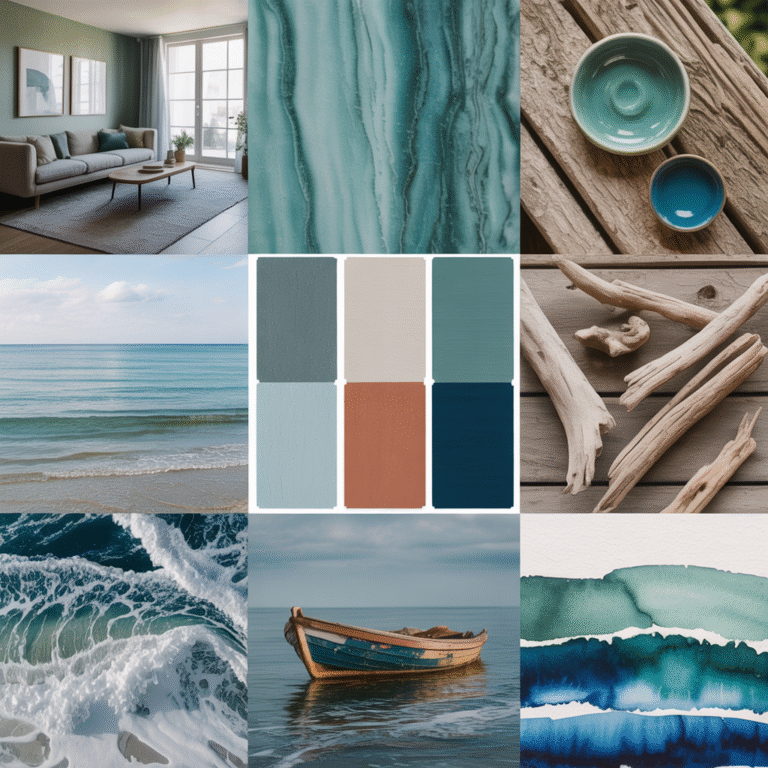
What makes this area so special is its natural cohesion. The Emerald Coast doesn’t overwhelm you with bold contrast — everything feels layered, soft, and serene:
- Pale aqua and emerald water
- Powdery white sand
- Weathered driftwood tones
- Soft dune grasses and palms
- Gentle pastel sunset skies
When I design rooms inspired by this region, I start with what I see outside large windows, not what’s currently on-trend. The result is a palette grounded in nature rather than trend cycles — one that works just as well in Florida homes as it does in lake houses or Southern interiors.
One thing I’d add before you commit to any of the colors below: paint always looks different in your own home than it does in a photo. North-facing rooms pull in cooler, grayer light; south-facing rooms warm everything up. Buy a sample, paint a poster-board swatch, and look at it at both 9 am and 6 pm before you commit to a full room.
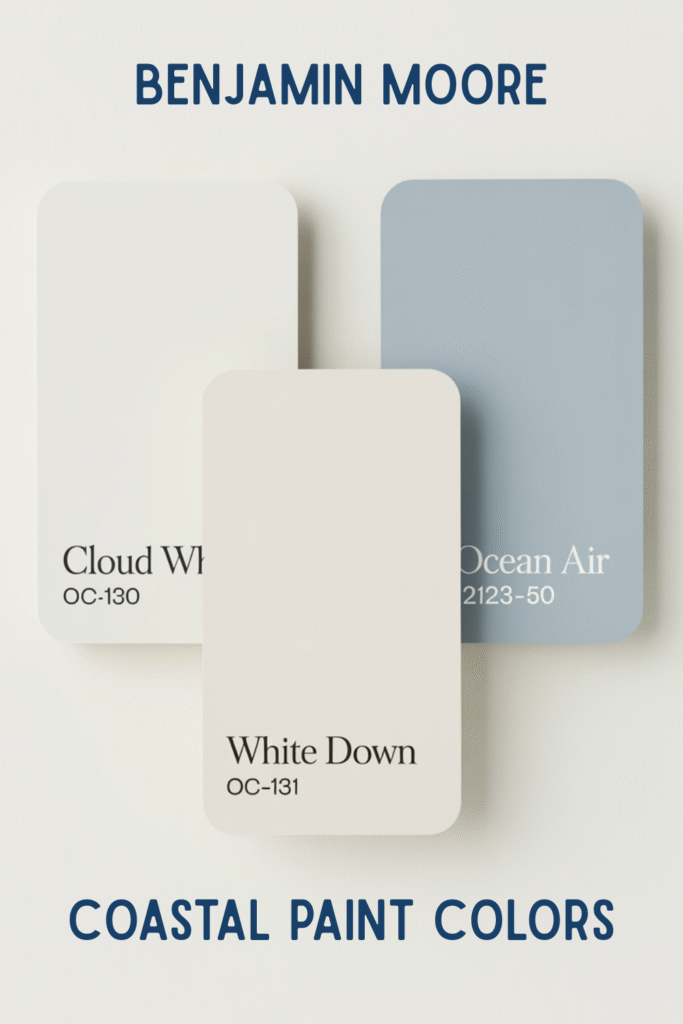
Palette 1: Soft Aqua + Warm White
(Inspired by shallow Gulf waters on a calm morning)
My favorite colors for this palette are Benjamin Moore Ocean Air (2123-50), Cloud White (OC-130), and White Down (OC-131). This is the palette most people imagine when they think of coastal living — the key is keeping it soft and airy rather than overtly “beachy.”
How I use it:
- Warm white on walls, trim, and large furniture
- Soft blue-green tones in pillows, art, or a single accent piece
- Natural wood and breathable textiles like linen and cotton
This combination feels breezy and open, especially in rooms with strong natural light — it’s one of my go-to choices for living rooms and bedrooms because it reads as calm without overwhelming the space.
Tip: Avoid pairing aqua with a stark, cool-toned white — it reads clinical rather than coastal. A creamy white with a warm undertone sits much closer to sand and sunlight. If you’d rather shop Sherwin-Williams, Alabaster is a close warm-white alternative to Cloud White.
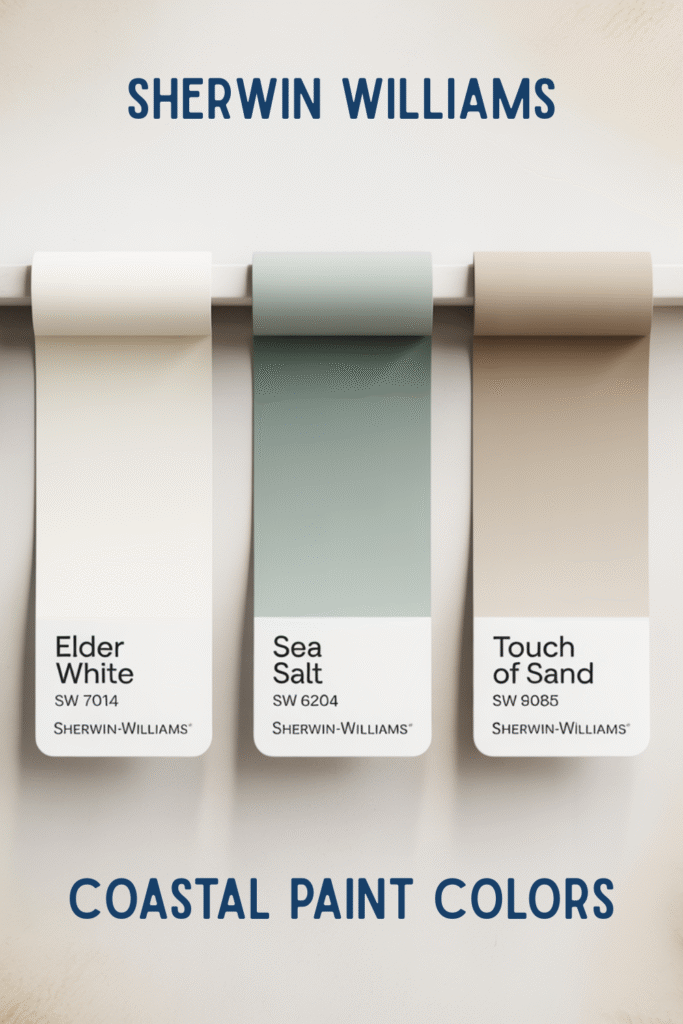
Palette 2: Emerald Green + Sand Neutrals
(Inspired by deeper water and dune grasses)
This palette has a grounded elegance that feels unmistakably coastal without being obvious, and it works in both beach homes and lakefront properties. My favorites here are Sherwin-Williams Elder White (SW 7014), Sea Salt (SW 6204), and Touch of Sand (SW 9085).
How I use it:
- Sandy beige as the foundation for walls, rugs, or upholstery
- A deep green or teal as the primary accent
- Warm natural wood furniture to balance the cooler tones
This one brings sophistication while staying laid-back, and it’s especially effective in dining rooms, offices, or cozy sitting areas where you want depth without heaviness.
Tip: Stick to one dominant green per room and repeat it in small doses — a ceramic vase, sea-glass decor, a piece of art — rather than covering multiple surfaces. It keeps the color from tipping into “themed” territory.
Palette 3: Driftwood Gray + Soft Blue
(Inspired by weathered docks and overcast beach days)
Not every coastal palette needs sunshine. Some of the most beautiful days on the Florida Gulf Coast are quiet, gray-blue mornings — soft blues near the shore, deeper blue on the horizon, and calm, reflective water. My favorites for this look are Sherwin-Williams Drift of Mist (SW 9166), Silver Strand (SW 7057), and Topsail (SW 6217).
How I use it:
- Driftwood gray on furniture or rugs
- Soft blue in textiles and art
- Layered neutral tones to keep the room from feeling cold
This palette suits modern and transitional interiors particularly well — calm, understated, and versatile, for homeowners who want coastal without obvious beach motifs.
Tip: Always add warmth with natural elements like jute rugs, woven baskets, or wood accents. Without them, gray can read as cold rather than serene — this is the one palette here that needs the most textural balance to work.
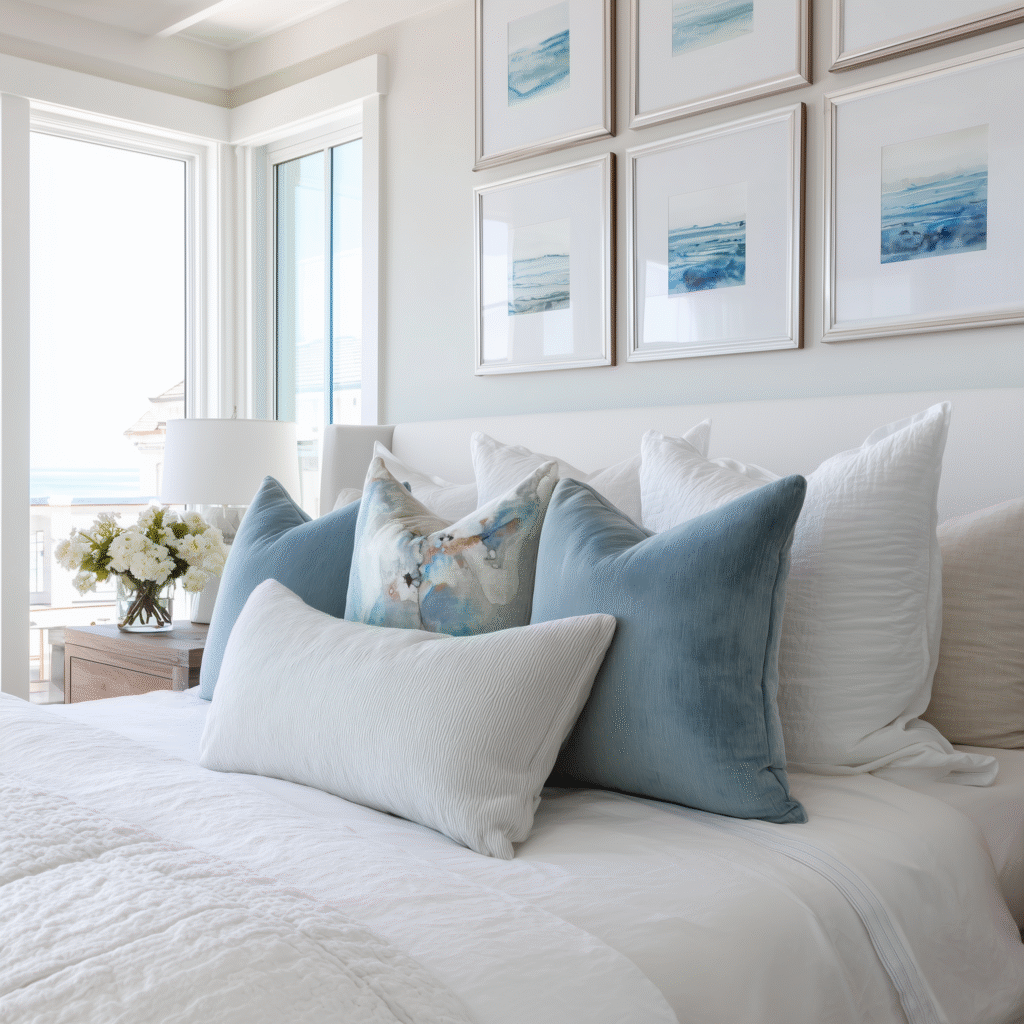
Palette 4: Seafoam Green + Pale Wood
(Inspired by dune lakes and coastal grasses)
Seafoam, especially when it leans slightly gray, signals coastal color without shouting it. Paired with pale wood, it creates an organic look that feels fresh rather than themed. Good starting points are Sherwin-Williams Rainwashed (SW 6211) or Sea Salt (SW 6204) in a lighter application than Palette 2, paired with Benjamin Moore Simply White (OC-117).
How I use it:
- Seafoam or soft green in bedding, pillows, or a single accent wall
- Light wood furniture and flooring
- Plenty of white surfaces to keep the room airy
This palette works beautifully in bathrooms, kitchens, and guest bedrooms. In kitchens, it pairs especially well with white cabinetry, stone countertops, and light flooring.
Tip: Avoid minty undertones — they read more “spa” than “shoreline.” A muted blue-green or a shade with a gray base feels far more natural against real dune grass and water.
Palette 5: Sunset Pastels + Coastal White
(Inspired by evenings along Scenic 30A)
Sunsets along the Emerald Coast, and even farther south toward the Florida Keys, are soft and painterly, with gentle color transitions — blush pink, warm peach, pale lavender, and soft gold. Start with Benjamin Moore Cloud White (OC-130) as your base, then layer in one accent: Benjamin Moore Sunlit Coral (2170-60), Juno Peach (087), or Mellow Pink (2094-70).
How I use it:
- Coastal white as the main backdrop
- One or two pastel hues as accents only
- Minimal pattern, for a refined and tranquil look
This palette is best suited to seasonal updates, artwork, or decorative accessories rather than full walls — it adds warmth without heaviness.
Tip: Keep sunset tones limited to accessories (pillows, art, a single vase) so the room stays timeless and adaptable year-round, rather than feeling locked into one season.
How I Choose the Right Palette for Each Room
Whether I’m working on a Tampa Bay condo, a Florida beach home, or a suburban house, I ask three questions before picking a color:
- How much natural light does this room get?
- Do I want this space to feel energizing or serene?
- Will this palette still feel right in every season?
Rooms with abundant sunlight can handle cooler hues like aqua, teal, or soft blue. Cozier or north-facing spaces usually do better with warmer neutrals, beige tones, or soft green — cool colors can turn flat or gray without enough light to carry them.
Making Coastal Colors Work Beyond the Beach
You don’t have to live on the Gulf Coast to use these palettes. They work just as well in:
- Lakefront homes
- Southern interiors
- Urban apartments craving a sense of calm
- Florida homes outside traditional beach zones
Coastal Living Room Furniture Guide
Lake House VS Coastal Living Room Design
Coastal Living Room Mistakes to Avoid
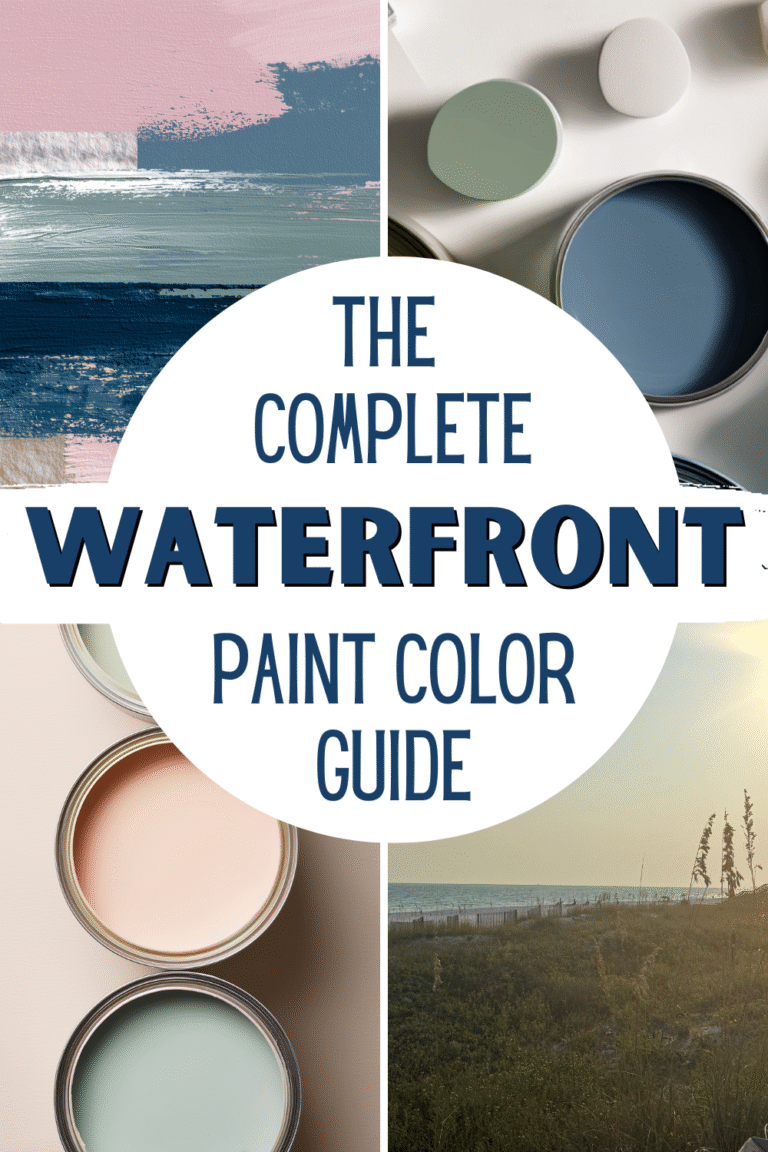
Complete Waterfront Home Color Guide
How to Bring Coastal Style Into Your Home
By focusing on layered tones, natural materials, and subtle contrast, you can bring this feeling into a home anywhere — it’s not about copying a theme; it’s about translating water, sky, and sand into an everyday space.
For me, color is always the starting point. Get the palette right and everything else — furniture, texture, layout — tends to fall into place around it.