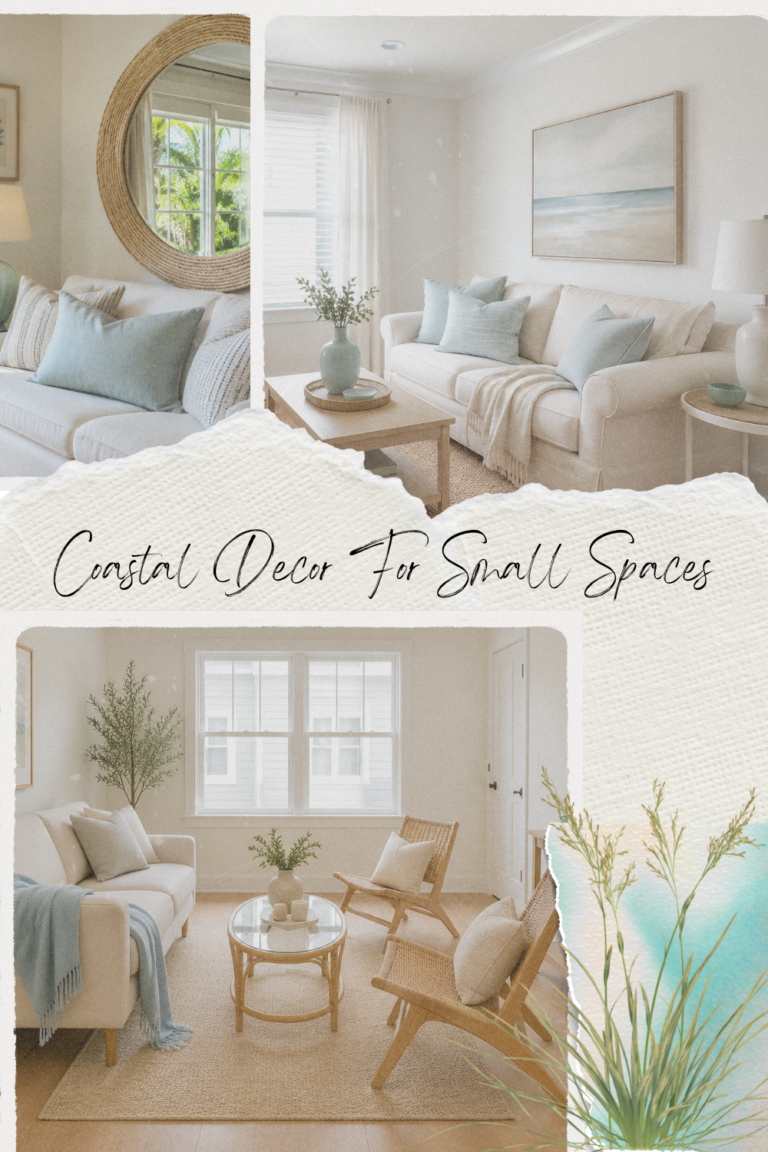
Lake & Coastal Home Colors: The Complete Paint Guide
After spending years decorating between coastal settings and a lake house, I’ve learned that the most beautiful waterfront interiors aren’t defined by trend cycles or a single paint color. They’re defined by feeling.
The best palettes reflect water, sky, sand, trees, driftwood, and the natural textures surrounding them, and I’ve included the exact paint colors I use and love — for both the inside and the outside of your home.
Designing a home by the water changes the way you think about color. Natural light reflects differently. Rooms feel more connected to the outdoors. The goal shifts from decorating a space to shaping an atmosphere, one that feels calm, restorative, and grounded in nature.
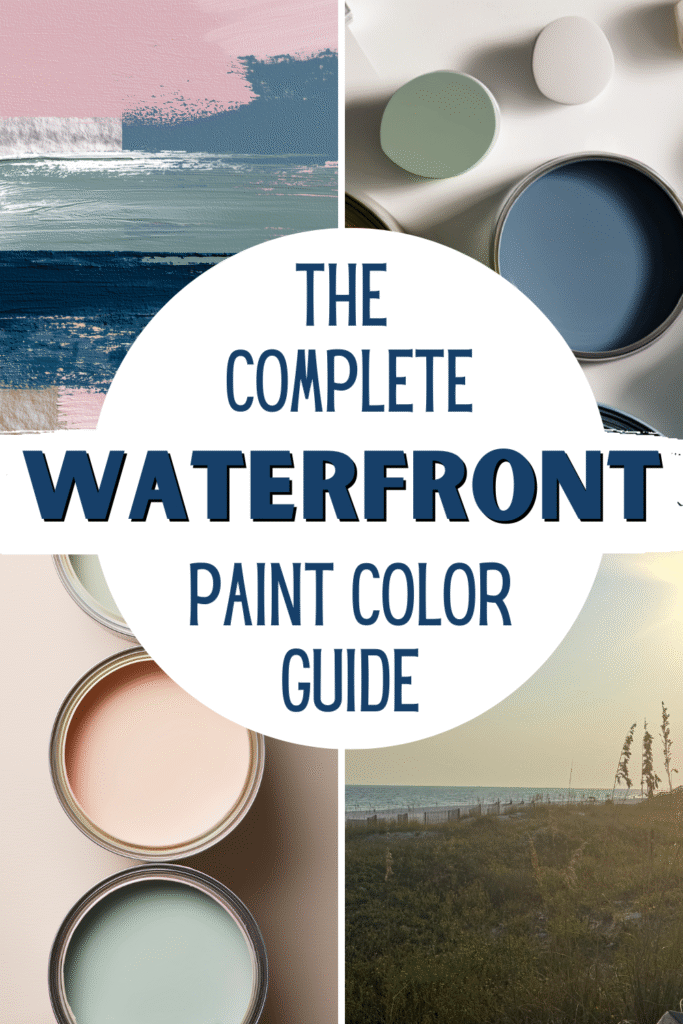
This guide brings together everything I use when designing rooms inspired by water, from lake house palettes to coastal tones to the foundational principles of waterfront home décor.
Whether your home overlooks a lake or the ocean, or simply draws inspiration from a lake or beach-house lifestyle, this framework will help you create spaces that feel timeless and serene.
Why Waterfront Homes Require a Different Approach to Color
Color behaves differently in homes near water. Sunlight bouncing off the surface outside creates shifting hues throughout the day. Blues become softer. Whites feel warmer. Greens feel more organic. Colors appear muted in bright daylight and warmer during sunset.
The landscape — sandy shores, greenery, docks, siding, shoreline textures — becomes part of the home’s palette whether you plan for it or not, on both the interior and the exterior.
Because of this, high-contrast palettes and trend-driven paint colors often feel out of place. Bold navy walls, heavy rustic finishes, or bright tropical accents can overwhelm the subtle beauty of a waterfront environment.
These spaces feel best when they:
- Prioritize calm over drama
- Reflect natural tones
- Embrace softness instead of contrast
- Use texture instead of bold patterns
- Maintain cohesion from room to room — and from indoors to outdoors
The goal isn’t a “beachy” theme or a nautical display. It’s a space that mirrors the emotional experience of being near water.

The Core Neutrals Every Waterfront Palette Begins With
No matter where your home sits — on the coast, by the lake, or inland — every scheme starts with foundational tones. These colors carry the space and allow accent colors to breathe.
- Warm whites. My favorites: Alabaster (SW 7008) by Sherwin-Williams and Simply White (OC-117) by Benjamin Moore. The backbone of most waterfront interiors — soft white paint reflects natural light and prevents rooms from feeling sterile. Not stark, not icy, just a gentle off-white glow.
- Sand & beige. My favorites: Accessible Beige (SW 7036) by Sherwin-Williams and Manchester Tan (HC-81) by Benjamin Moore. These hues ground a space and echo shoreline textures, bringing warmth without heaviness.
- Driftwood gray. Not a stark gray but a brownish-gray that highlights outdoor elements. My favorites: Drift of Mist (SW 9166) by Sherwin-Williams and Cloud Cover (OC-25) by Benjamin Moore. Pairs especially well with shiplap walls and crisp white trim.
- Blues and muted greens. I own a condo in Destin, FL, and the bedrooms are painted Sea Salt (SW 6204) by Sherwin-Williams — a classic that always works in waterfront homes.
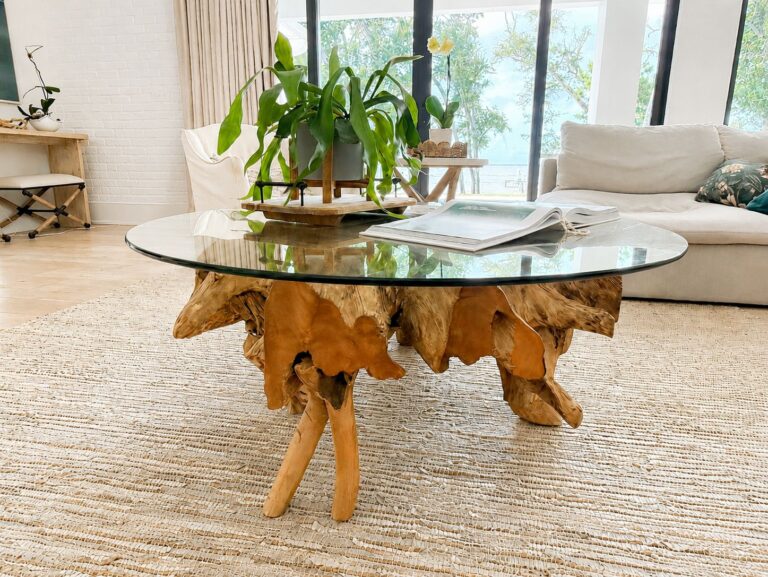
- Light natural wood. Pale oak, pine, and weathered wood finishes connect interiors to docks, boats, and outdoor structures, keeping spaces from feeling overly polished or artificial.
Without this base, coastal tones or lake tones can feel disconnected. With it, everything feels balanced.
Understanding Lake House Color Palettes
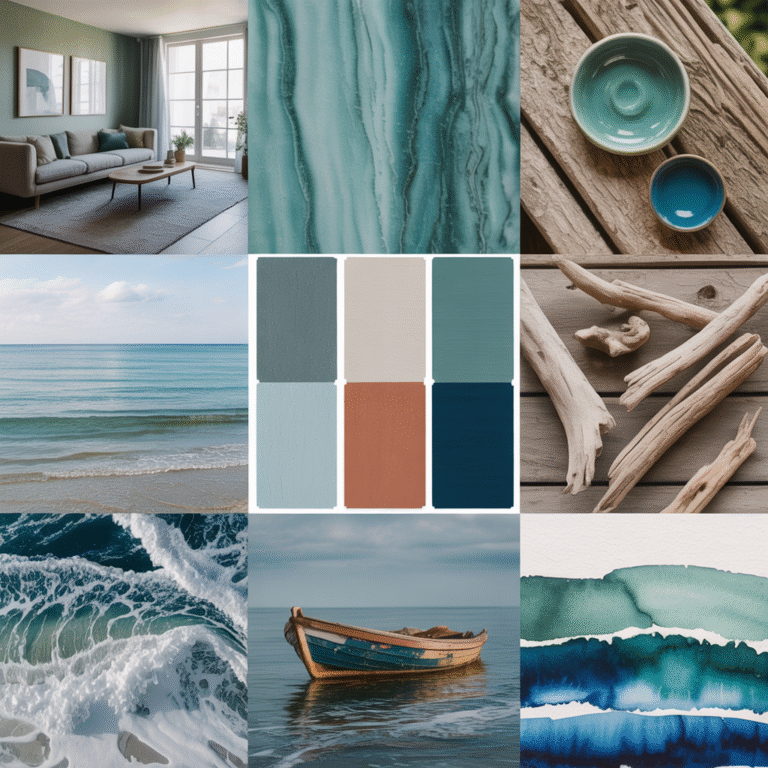
The best lake house color palettes are warm, natural, and grounded, drawing directly from the surrounding landscape — the deep greens of tree lines, the soft blues reflected on still water, the texture of aged docks and natural wood, and the subtle shifts that happen from season to season.
These environments naturally inspire a scheme built on muted blues, moss and olive greens, warm whites, weathered wood tones, and soft charcoal accents. Together, these colors create a space that feels calm and connected to nature without feeling overly themed.
A well-designed lake home should feel cozy but never dark, natural without leaning too rustic, and layered with intention rather than cluttered with décor. Modern lake design has moved away from the heavy cabin aesthetic of dark woods and deep reds, embracing lighter, more breathable schemes instead.
Signature lake house colors:
- Muted blues
- Soft moss greens
- Warm whites
- Weathered wood tones
- Charcoal accents
These reflect tree lines, lake water, dock materials, and seasonal changes — cozy, but still light.
Modern lake homes vs. traditional cabins. Today’s lake homes are shifting away from heavy rustic interiors. Instead of deep reds and dark woods, modern schemes focus on lighter finishes, breathable neutrals, and soft textures.
This shift keeps interiors from feeling dated and lets the architecture and the view shine.
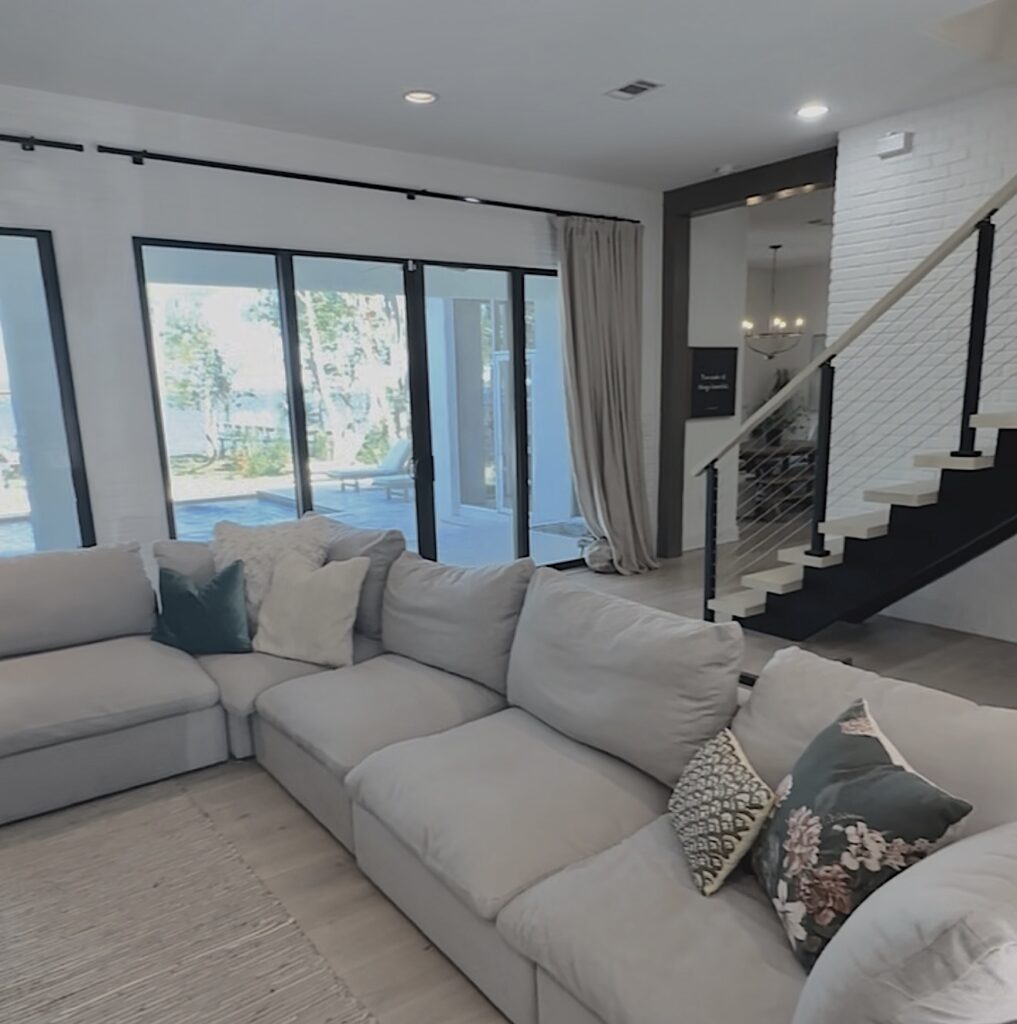
Coastal Color Palettes: Light, Airy, and Layered
Coastal interiors are often misunderstood. True coastal schemes aren’t bright or overly beach-themed — they’re soft and atmospheric.
When most people think about coastal design, they imagine bold blues, nautical stripes, and bright beach-themed décor. But the most timeless interiors inspired by the shore are built around soft, layered combinations rather than loud or obvious tones — the kind that reflect what you actually see at the water’s edge: gentle color shifts, natural textures, and light that changes throughout the day.
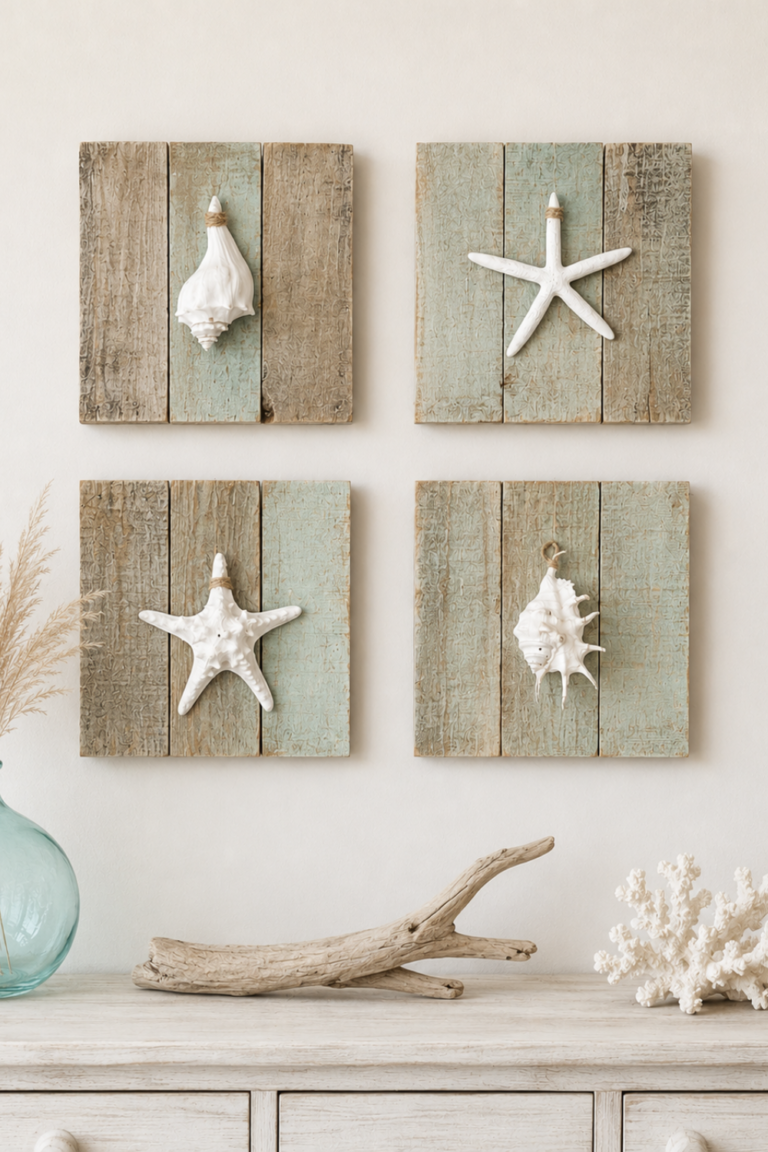
Key sources of inspiration: soft tones of shallow water, pale hazy skies, dune grasses, weathered textures, and sandy shores.
Core coastal colors that feel timeless:
- Sea salt green — soft and muted, reflecting the gentle green tones of coastal waters and greenery
- Pale aqua & turquoise — inspired by shallow shorelines, adding freshness without overpowering a room
- Soft sky blue — a calming tone that works beautifully in bedrooms and living areas
- Warm white — keeps coastal homes bright without feeling clinical
- Sand tones — ground the scheme and balance cooler hues
Together, these form a versatile scheme suitable for both interior and exterior use.
How to Use Coastal Colors in Your Home
The key is restraint. Choose a neutral base, then layer in one or two accent colors.
Start with: warm white walls, sand-toned furniture or rugs, natural wood textures.
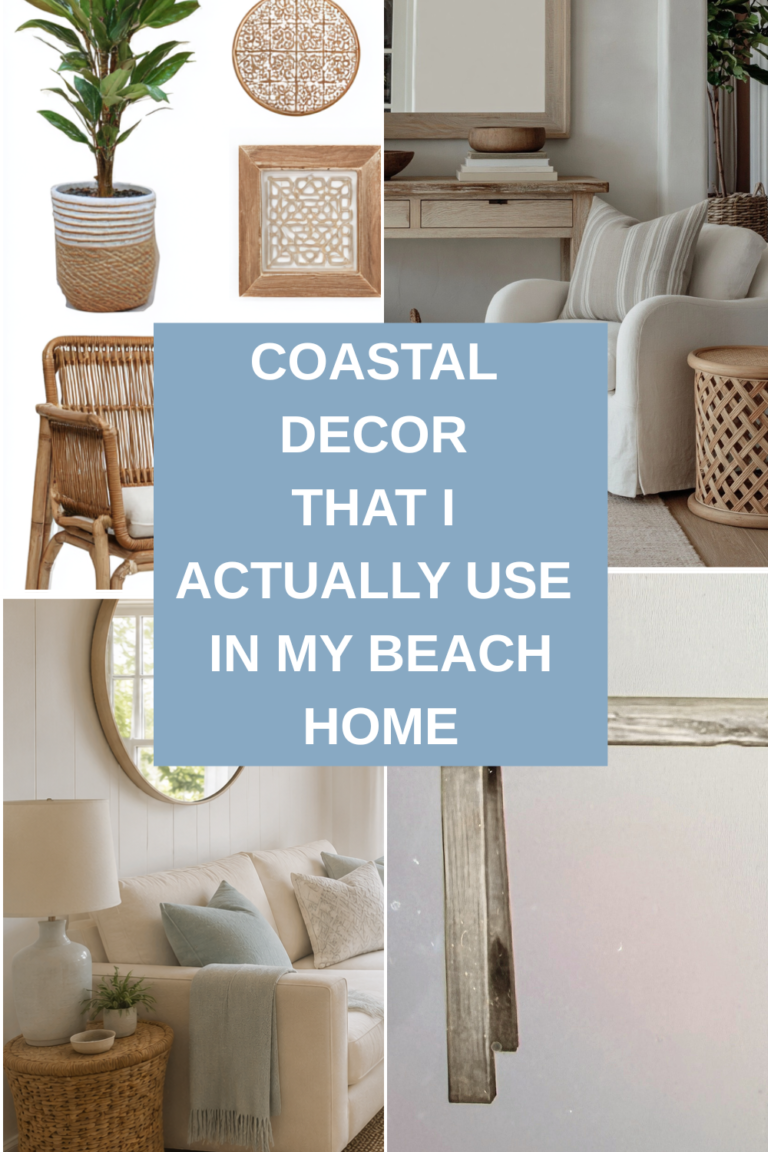
Then layer in: seafoam accents, pale aqua pillows, soft blue artwork.
This approach keeps a space cohesive and calming, rather than themed.
The Difference Between Coastal and “Beachy”
One of the biggest misconceptions in design is confusing coastal style with beach décor.
Beach-themed interiors often rely on bold navy tones, anchors and stripes, and bright tropical colors.
True coastal interiors feel soft, neutral, nature-led, and timeless — inspired by the environment rather than by souvenirs or seasonal trends.
Exterior Color: Getting the Outside Right, Too
Interior color gets most of the attention, but the exterior is what sets the tone before anyone steps inside — and waterfront exteriors face real practical demands: humidity, salt air, sun exposure, and fading. A few combinations I come back to for both coastal and lake exteriors:
Coastal exteriors:
- Body: warm white or soft off-white, like Benjamin Moore Simply White (OC-117) — reflects heat and stays classic against blue water
- Trim: a crisp white such as Sherwin-Williams Extra White (SW 7006)
- Accent (shutters, front door): a deep coastal blue like Benjamin Moore Hale Navy (HC-154), or a lighter seafoam if you want something softer
Lake house exteriors:
- Body: a warm gray or greige, like Sherwin-Williams Agreeable Gray (SW 7029), which reads as grounded against tree lines rather than stark
- Trim: Sherwin-Williams Alabaster (SW 7008) for contrast without harshness
- Accent: a deep forest green such as Benjamin Moore Black Forest Green (2049-10), which echoes the surrounding trees better than navy does on a lake setting
A few practical notes for either: always test exterior samples on more than one side of the house — north- and south-facing walls read differently in direct sun.
Look for exterior lines rated for mildew resistance and UV fading if you’re in a salt-spray zone or in constant humidity, and expect to repaint every 5–7 years on a waterfront property versus longer inland.

Where Lake and Coastal Palettes Overlap
The overlap between lake-house and seaside color combinations defines the heart of timeless waterfront décor.
Both styles rely on the same foundational elements — light, soft color transitions, layered basics, and minimal contrast — to create spaces that feel connected to the outdoors. Instead of bold statements or heavy themes, these schemes focus on balance and atmosphere.
Whether you’re designing a cottage, pool house, or dream home, the outcome is the same: spaces that feel restorative and connected to nature.
Room-by-Room Waterfront Color Strategy
Living Room — Best palette: warm white + sand + soft blue. Living rooms anchor the home; soft blues reflect water while neutrals keep the space welcoming. Styling tip: use color in accessories rather than large furniture pieces.
Bedroom — Best palette: driftwood gray + warm white + muted blue. Bedrooms benefit from low contrast and soft layering. Styling tip: focus on texture — linen, woven materials, natural wood.
Kitchen — Best palette: white + seafoam + pale wood. Maintains brightness while tying into water-inspired tones. Styling tip: keep the space bright while echoing water tones in smaller doses — a runner, open shelving, one accent tile.
Bathroom — Best palette: sea glass green + warm white + sand. Creates spa-like calm, naturally suited to water environments. Styling tip: keep décor minimal and texture-driven.
Guest Room — Best palette: warm white + soft pastels. Inviting and flexible year-round. Styling tip: use removable accents for easy updates between guests or seasons.
Common Waterfront Color Mistakes
Many homeowners unintentionally make rooms feel heavy or dated. Watch for:
- Too many blues in one room
- Navy-and-red nautical themes
- Stark white everywhere
- Bright tropical schemes
- Heavy rustic finishes
Subtlety is the throughline in every mistake on this list.
How to Build Your Own Waterfront Palette
- Choose a neutral base: warm white, sand, or driftwood gray.
- Select one accent tone: soft blue, muted green, or warm gray.
- Add natural texture: wood, linen, ceramics, woven pieces.
- Repeat the color gently: pillows, art, small décor pieces — not every surface.
Designing a waterfront home is less about choosing the perfect color and more about deciding how you want a space to feel: peaceful, light-filled, and connected to the outdoors, inside and out.
When your color choices mirror the world outside your windows, the home begins to feel intentional rather than decorated — and that’s the heart of timeless waterfront design.