8 Coastal Living Room Decor Mistakes to Avoid
Decorating your home with a 30A or Destin beach vibe sounds simple: light colors, ocean art, maybe a few seashells. But true Emerald Coast coastal style is softer, more refined, and deeply inspired by those clear turquoise waters and sugar-white sand.
The difference between a calming coastal retreat and a cluttered beach-themed room usually comes down to a handful of decisions. Here are the mistakes I see most often — and what to do instead — so your living room feels like Seaside at sunset, not a souvenir shop on the boardwalk.
Quick answer: The most common coastal decor mistakes are over-theming with nautical props, choosing the wrong shade of blue or white, using heavy dark wood, skipping texture, blocking natural light, overcrowding the room, ignoring the view outside, and prioritizing style over comfort. Fix these eight and the room will read as coastal-inspired, not beach-themed.
1. Going Too Themed Instead of Inspired
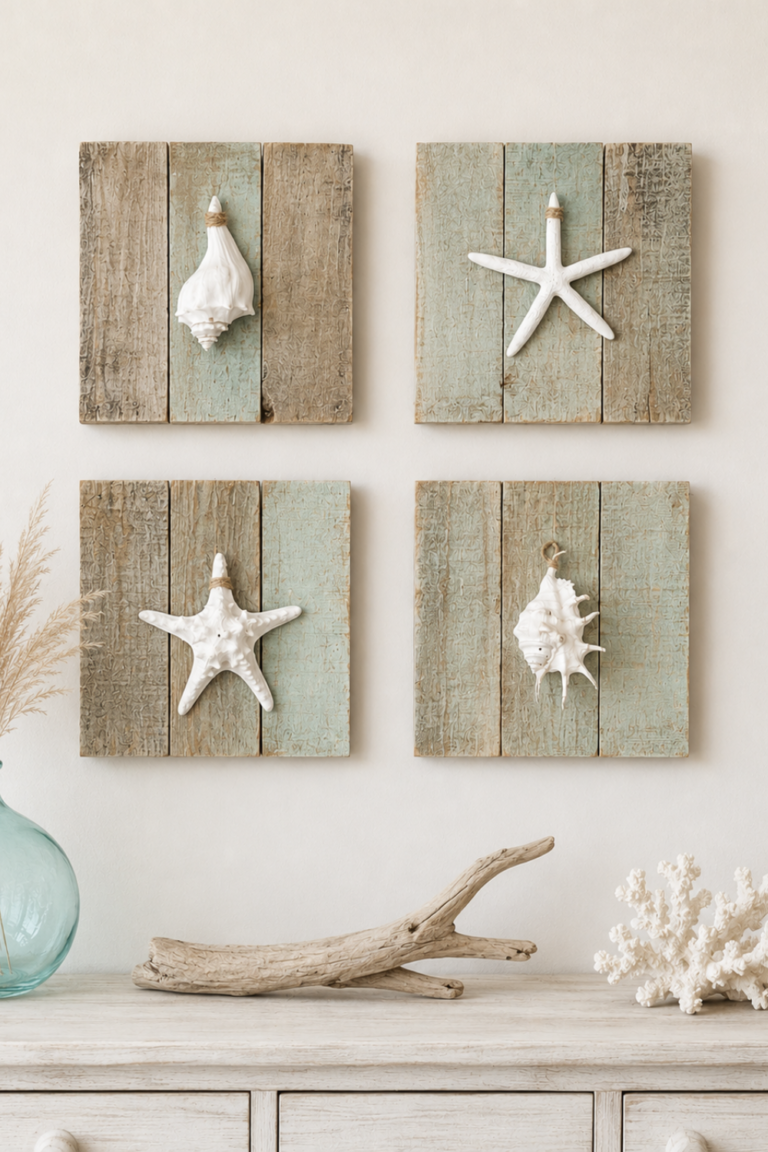
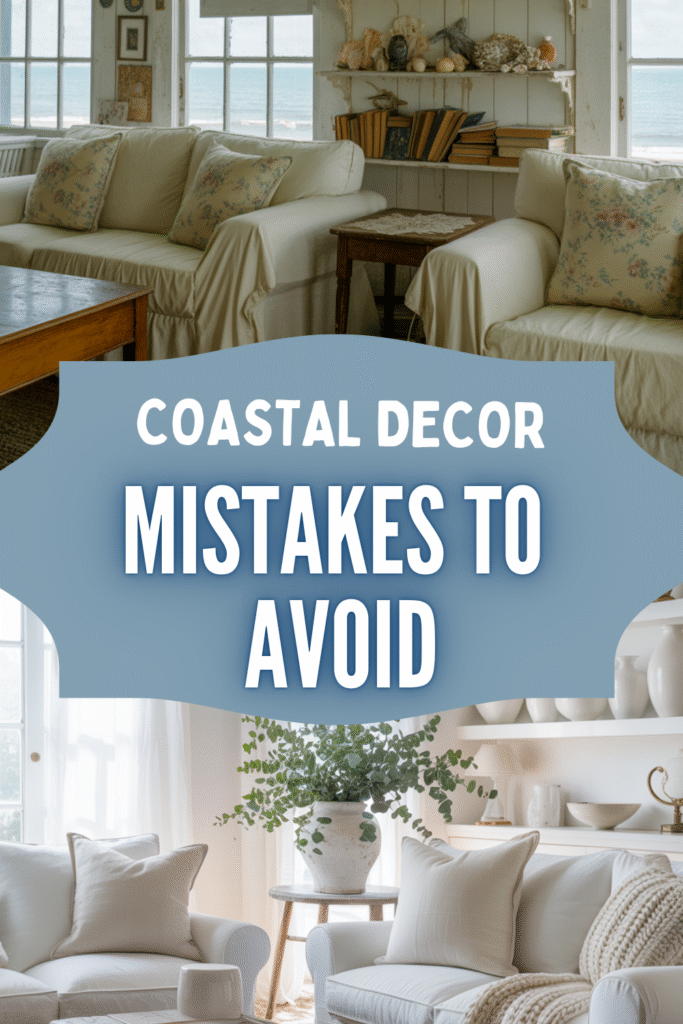
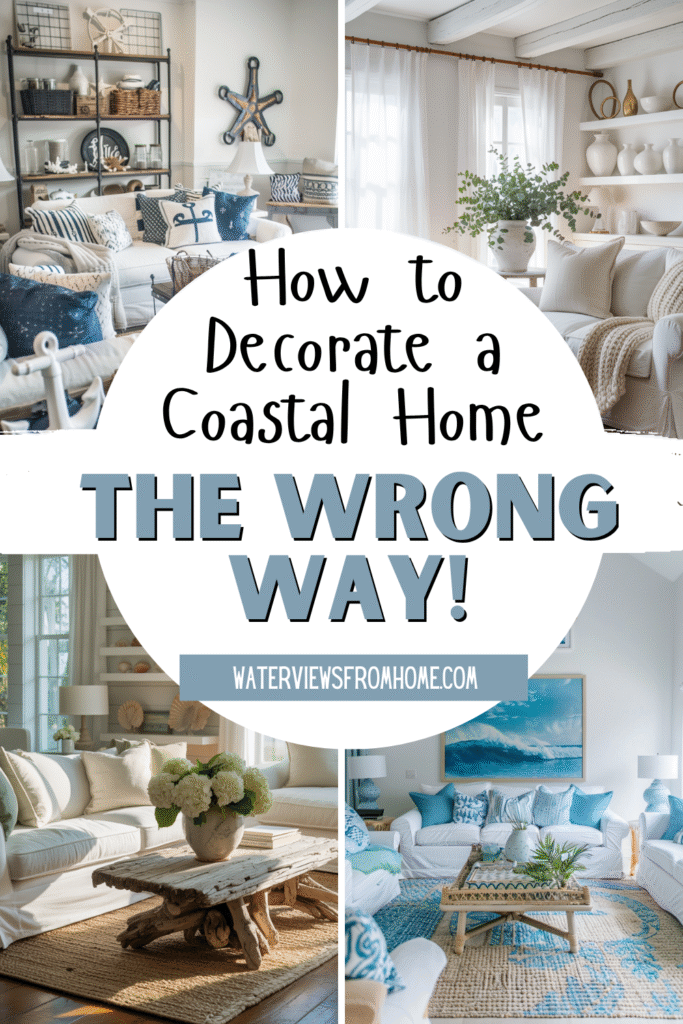
The biggest mistake is confusing “coastal-inspired” with overly nautical or ocean-themed. Destin and 30A homes don’t rely on anchor prints, rope signs, sailboat figurines, or starfish on every surface — they reflect the feeling of the coast: light, airy, and grounded in natural materials.
If your living room has seashell-patterned pillows, lighthouse figurines, beach-quote signs, and a giant “Beach House” canvas all competing for attention, it will read as kitschy rather than calming.
Instead, choose one or two subtle touches. A large abstract painting inspired by Gulf waters, paired with driftwood or weathered-wood accents, does more for the room than a dozen small nautical props. In our own home, one oversized piece of art and a single driftwood mirror do more work than any shelf of shells ever did. Let color and material tell the story — not novelty decor.
2. Picking the Wrong Whites and Blues
Color is where most coastal rooms go wrong, in three related ways:
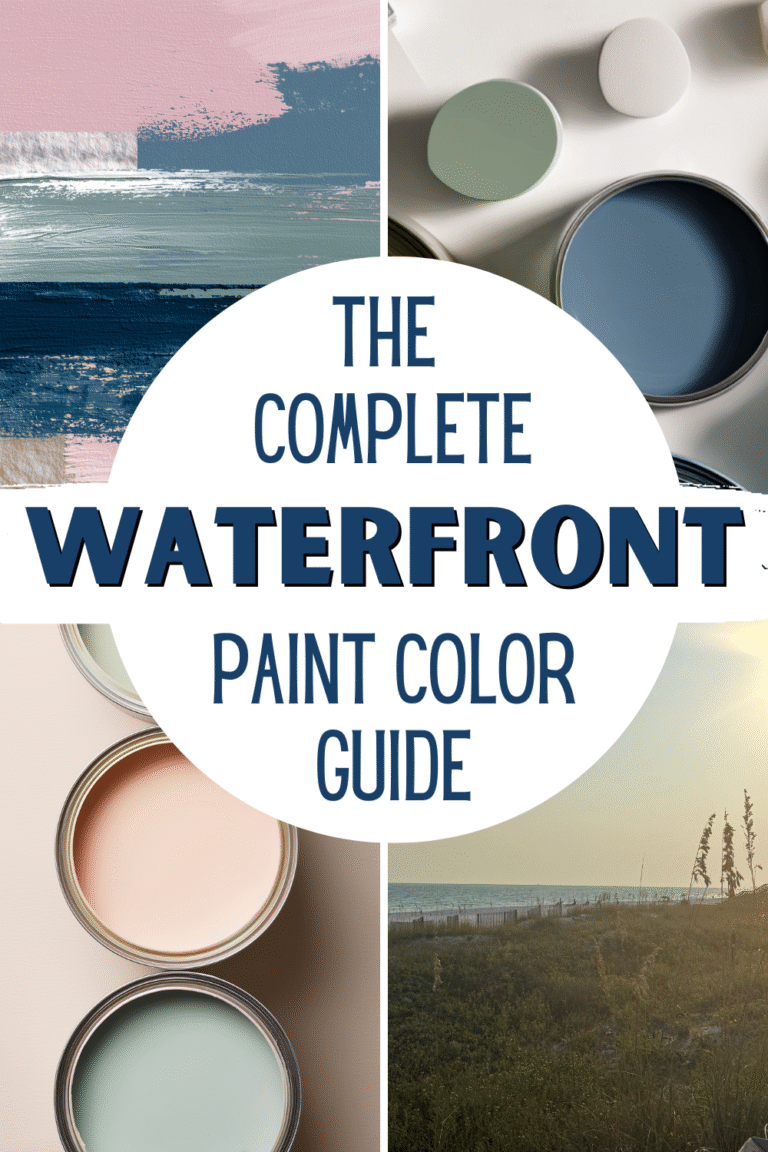
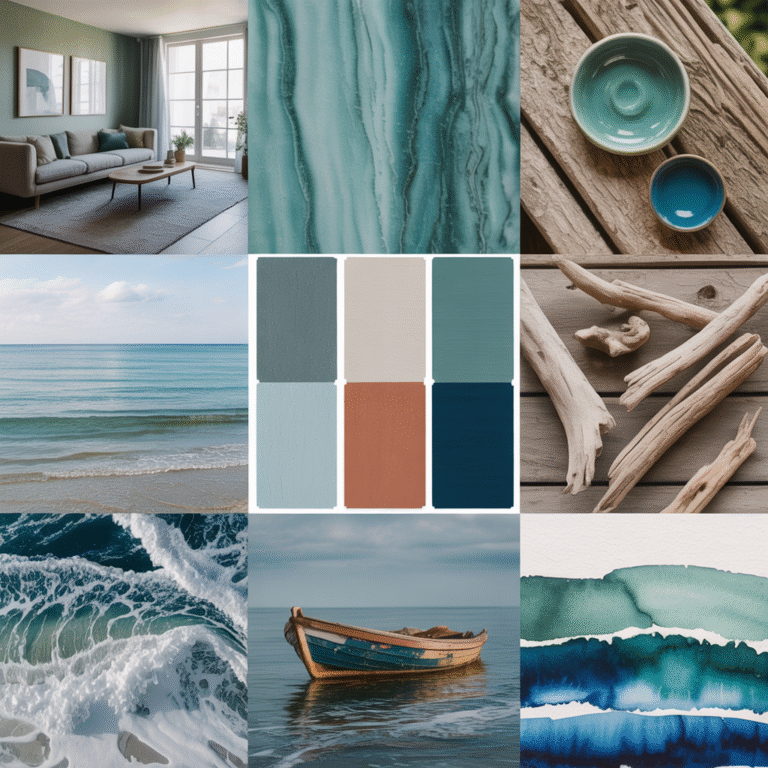
- Too-bright blue. Destin and 30A water reads as turquoise in photos, but it actually shifts between seafoam, soft aqua, muted teal, and gray-blue depending on the light. Bold navy walls or an electric-blue sofa feel more “tropical Caribbean” than Emerald Coast.
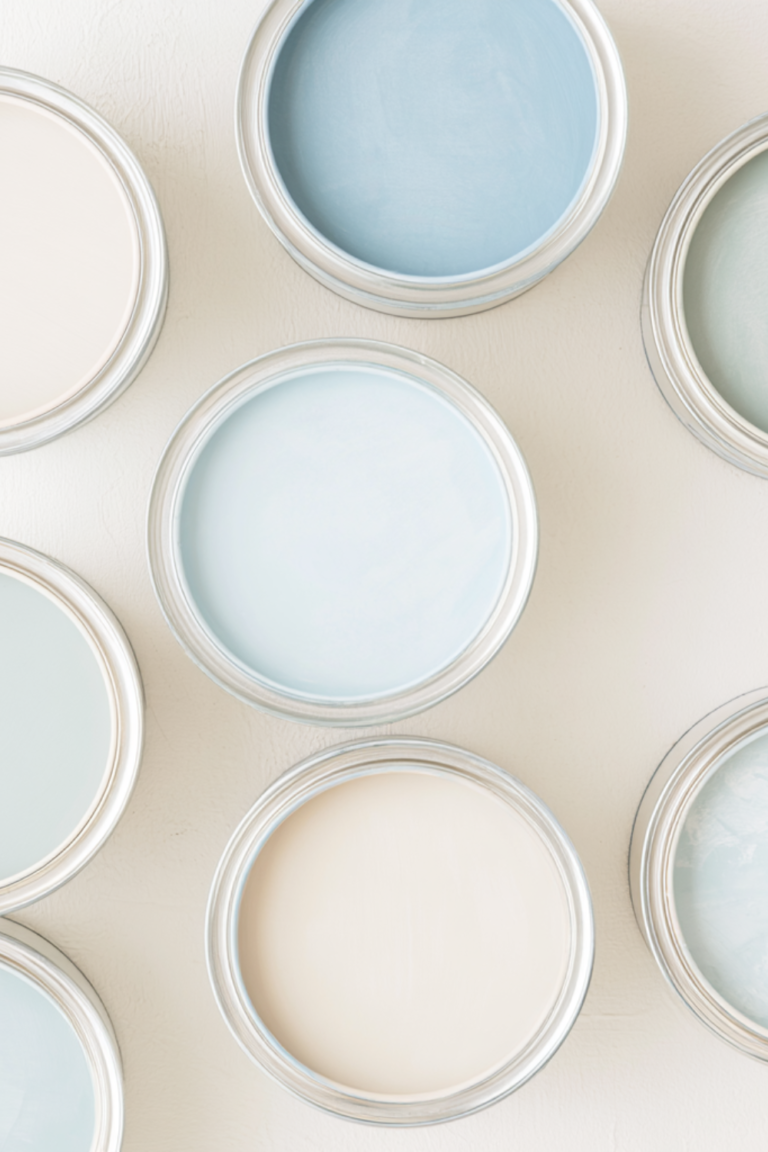
- Too-cold white. Crisp, stark white can feel clinical rather than beachy. The actual sand along the coast has warmth to it — look for creamy whites with soft undertones, like ivory or alabaster, instead.
- Too-matched blue-and-white. Pairing a single shade of blue with a single shade of white throughout the room flattens the space. The Gulf isn’t one color — layer in seafoam, teal, and sandy neutrals alongside your blues and whites to give the palette movement.
The fix for all three: study the actual water and sand you’re inspired by, and build a layered palette around pale aqua, warm white, sandy beige, and blue-gray — not a generic “beachy” version of those colors.
Before we repainted our own living room, I held swatches up against real photos from the beach at sunset — it’s the fastest way to catch a blue that’s reading wrong.
3. Overusing Dark, Heavy Wood
Many older beach homes leaned into dark, bulky furniture. That can work in a rustic setting, but it fights the bright, open feel of modern coastal interiors.
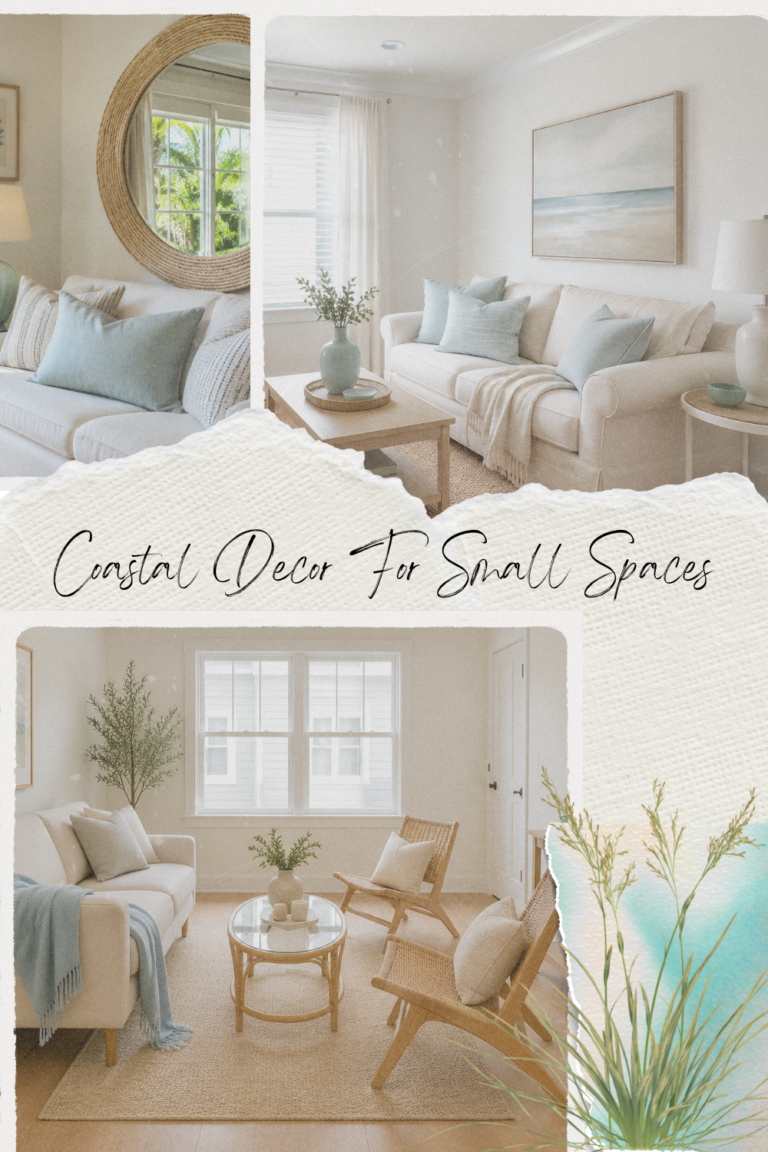
Emerald Coast rooms favor light oak, whitewashed finishes, natural wood, wicker, and woven textures. If your coffee table is espresso-stained and heavy, swap it for something lighter, or a glass-topped piece that lets light pass through.
Sofas should feel relaxed — slipcovered linen or performance fabric in creamy white or soft neutral tones — so natural light can bounce around the room the way it does in a Seagrove Beach cottage.
4. Relying Only on Color and Skipping Texture
Coastal design isn’t just about paint; it’s about texture. Sugar-white sand, dune grasses, weathered boardwalks, and woven beach baskets all contribute to the feel, and a room that leans only on color without texture ends up flat.
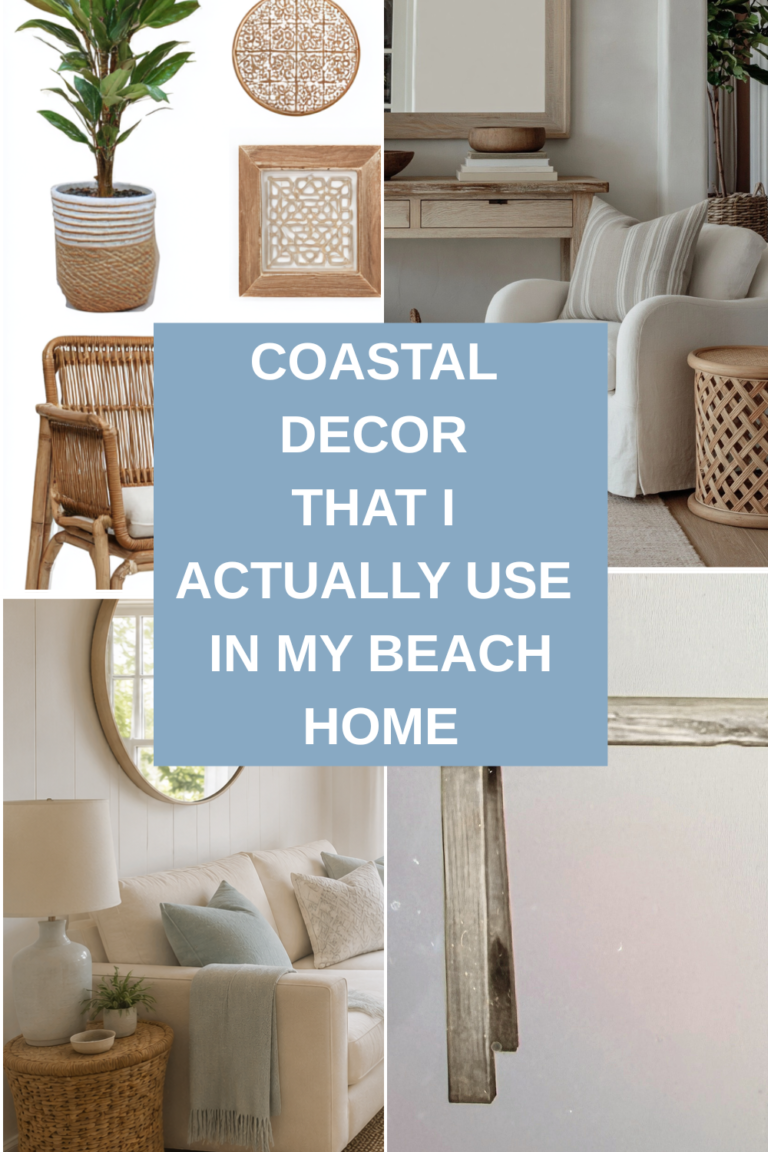
Swap a plain rug for a chunky jute or sisal one that echoes the shoreline. Add woven baskets, a rattan pendant light, or a driftwood-framed mirror. Even small touches — matte ceramics, sea glass accents, one linen throw pillow- add depth without adding clutter.
5. Blocking Natural Light
Coastal homes are built around sunlight, so anything that dims a room works directly against the look you’re going for — and this mistake shows up in two places at once: windows and ceilings.
Thick drapery or dark window treatments block the very light that makes a coastal room feel coastal. Opt for sheer panels, lightweight linen curtains, or woven Roman shades that filter light rather than block it, and mount rods higher and wider than the window frame to create the illusion of taller ceilings.
The same logic applies overhead. A heavy chandelier or a dark ceiling fan can undercut an otherwise airy space just as much as heavy curtains can. Look for light wood fans, woven pendants, or glass fixtures that reflect sunlight rather than absorb it — warm-toned bulbs mimic golden hour along the coast and reinforce a soft palette rather than fighting it.
6. Overcrowding the Space
Coastal rooms feel open and effortless. You won’t typically find an oversized sectional crammed into a small room, several accent chairs competing for space, or a wall scattered with a dozen small frames.
If your living room feels tight, evaluate each piece honestly. Do you need that extra side table? Could a bulky recliner be replaced with a streamlined woven chair instead? On the walls, one large statement piece — oversized coastal photography or an abstract ocean canvas — does more than a cluster of small art ever will.
A loveseat paired with airy accent seating often works better than one massive sofa: coastal spaces thrive on breathing room, both on the floor and on the walls.
7. Decorating in Isolation from the View Outside
The most beautiful Destin homes blur the line between the indoors and the surrounding coastal environment. Decorating without any reference to what’s outside your windows is a missed opportunity.
Pull in colors and materials that echo the outdoors — sandy neutrals, soft greens, pale sky blues — and consider large-scale artwork featuring dunes or water views to visually expand the room. When the interior reflects what’s beyond the windows, the whole space feels cohesive rather than generic. We rearranged our own seating specifically to face the water — it changed the entire room more than any single piece of furniture did.
8. Choosing Style Over Comfort
Some coastal rooms look beautiful in photos but aren’t built for everyday life. Delicate fabrics, fragile decor, and high-maintenance surfaces don’t suit a laid-back lifestyle — especially with sandy feet or wet swimsuits coming through regularly.
Choose durable materials, washable slipcovers, and furniture that actually invites people to sit down. True coastal style should feel effortless and lived-in, not like a staged showroom.
Bringing It All Together
Creating a Destin or 30A-inspired living room isn’t about collecting beach clichés — it’s about capturing light, texture, and the calm of the water itself.
A few habits carry more weight than any single decor item: favor soft tones over bold ones, relaxed furniture over heavy pieces, and layered natural materials like jute, linen, and wood over anything themed. Let the room reflect the Emerald Coast itself, not a rental-property version of it.
Done well, a coastal living room can feel like a quiet morning in Seaside or a sunset walk along the shore — airy, serene, and unmistakably coastal.