10 Ways To Bring Coastal Style Into Your Home Without Going Nautical
Living in the Destin and 30A area has completely transformed the way I think about home décor, inspiring me to embrace a coastal vibe. With the sand, sea, sky, and light right outside my door, I’m constantly inspired by the natural beauty of the coast.
I love bringing that relaxed, breezy feeling indoors without going overboard with a nautical theme. No anchors, ropes, or heavy stripes here! For me, true coastal style feels fresh, airy, and effortlessly elegant, a perfect reflection of water-view living.
It’s about creating a space that feels easy, comfortable, and quietly luxurious, just like life here along the Emerald Coast.
Here are 10 decorating tips to bring that coastal style to your home, whether you have an oceanfront view, bay view, or want to channel that relaxed Gulf Coast vibe.
1. Start Coastal Decorating with a Light, Neutral Foundation
Coastal style thrives on space, air, and light. A great place to begin is with walls, large surfaces, and big furniture pieces in soft, neutral tones: white, off-white, sandy beige, pale grey. One of my favorite off white colors to use is Alabaster by Sherwin-Williams.
Keep those heavy drapes or dark walls to a minimum, preferably using light colored curtains. Also consider lighter flooring to maintain that airy feel.
Tips:
Use matte white or soft cream paint for walls, and maybe a more muted neutral for trim or ceilings.
Choose large furniture pieces (such as sofas and armchairs) with neutral upholstery, allowing statement pieces to be layered on top.
Avoid painting everything in a vibrant, beachy blue right away; let the accents bring in the color.
2. Bring coasta charm to your home, without the “Ship’s Wheel” look.
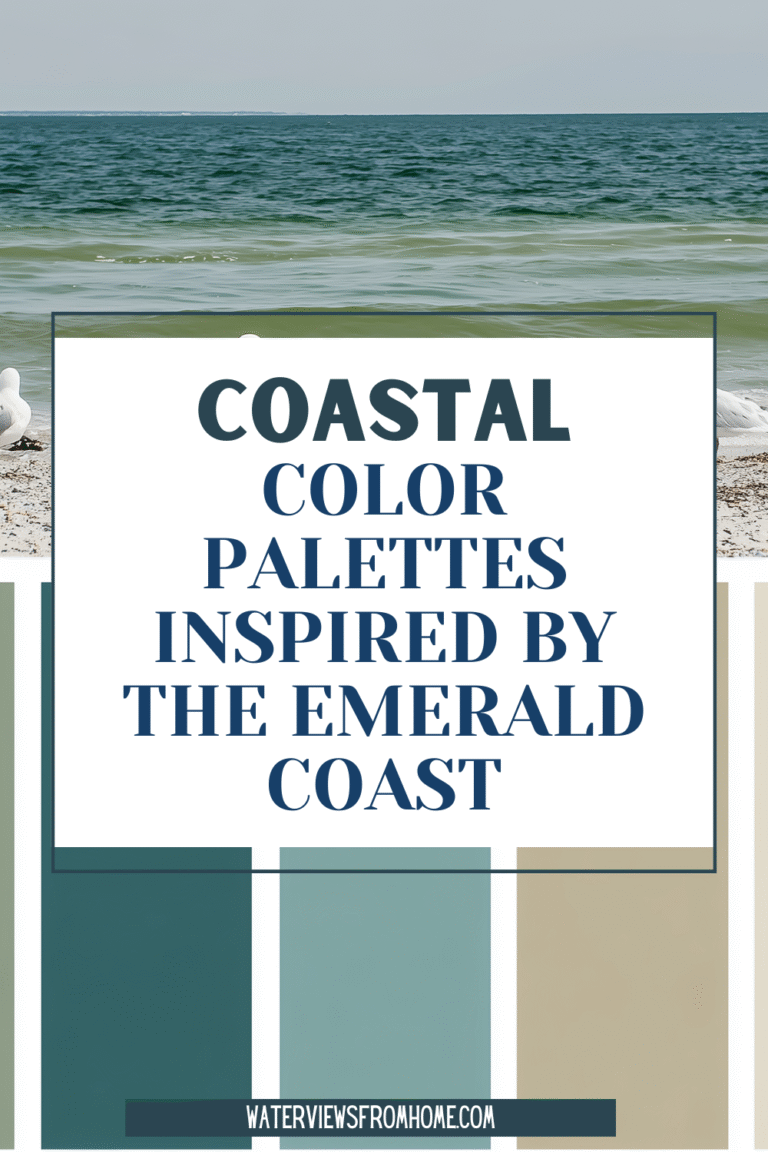
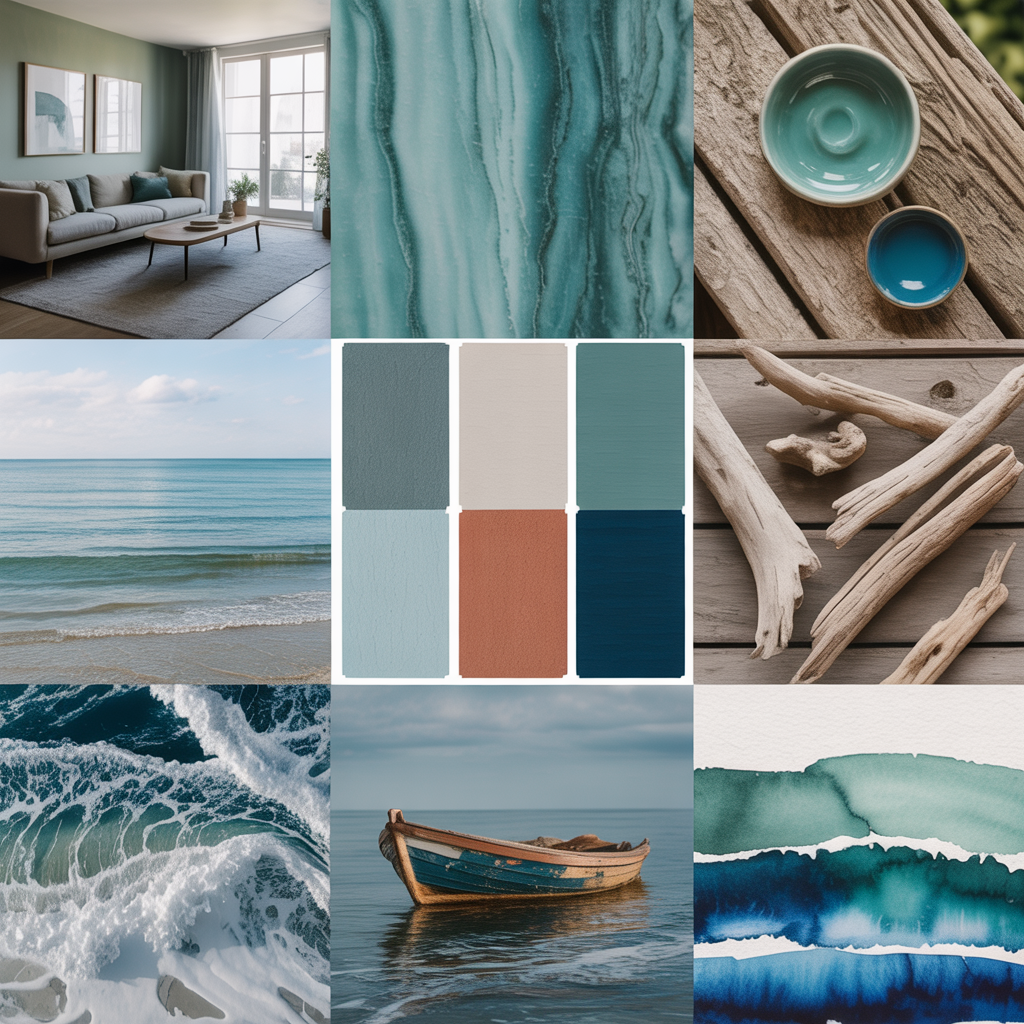
Coastal decor = colors pulled from nature: sky, sea, and sand. Shades of soft blue, seafoam green, pale aqua, sandy tan, and smooth grey all work beautifully to create a beachy atmosphere.
However, and here’s the key, avoid the overdone nautical palette of navy, bright red, and white stripes. That tends toward a theme park rather than a serene home. Please avoid using red – if you do, ensure it’s used subtly as a background shade.
Tips:
- Pick one accent color (such as soft aqua) and one supporting accent (my favorites are muted sea-grass green or a pale grey), and repeat those throughout the room.
- Use deeper tones sparingly — maybe in throw pillows or art — so the vibe remains airy, not heavy.
- Consider local inspiration: for the 30A area, you will see turquoise-green shallow water, bleached coastal elements, and white sand. By bringing in those shades, you bring that classic coastal feel indoors

3. Embrace Natural Textures & Materials
Texture is what gives a room depth and the “feel” of relaxed elegance, enhancing the coastal vibe. Coastal style is all about natural, textural materials: rattan, jute, linen, light and washed wood, and weathered finishes.
For example, consider a glass bottle, a rattan or wicker accent chair, white linen-covered cushions, washed wooden shelving, and a light wood coffee table. These elements echo the outdoors and give your space a breezy, comfortable, beach-adjacent look.
Tips:
Add one or two woven baskets for storage or decoration — they are both functional and aesthetically pleasing.
Choose light wood or white-washed wood furniture over heavy, dark woods.
Use linen or cotton fabrics (rather than synthetic sheens) for pillows, curtains, and slipcovers.
4. Make the Most of Your View & Bring the Outdoors In
Since you live near the water, your view is a star — let it shine. Coastal design thrives when the interior complements the exterior.
Also, bring natural elements inside: large leafy plants, vases with cut palms, and wood accents. It doesn’t need to be seashells everywhere, but subtle references to nature and the coast are welcome.
Tips:
Keep window coverings minimal to allow the view and light to flow. Sheer curtains or simple sliding panels are good.
Use a mirror or a light-colored wall opposite the windows to reflect light and view.
Place a natural element near a seating area, such as a sea glass display or a potted palm.
5. Layer in Gentle Patterns — Not Loud Themes
Patterns bring interest, but in a coastal home, you’ll want to keep them soft and subtle to create a space that feels calm and relaxing. Think gentle, patterned stripes in light colors, paired with a light batik or textured fabric.
Avoid kitschy graphics (such as cartoonish crabs or anchors everywhere) or heavy, bold prints that overpower the calm feel.
Tips:
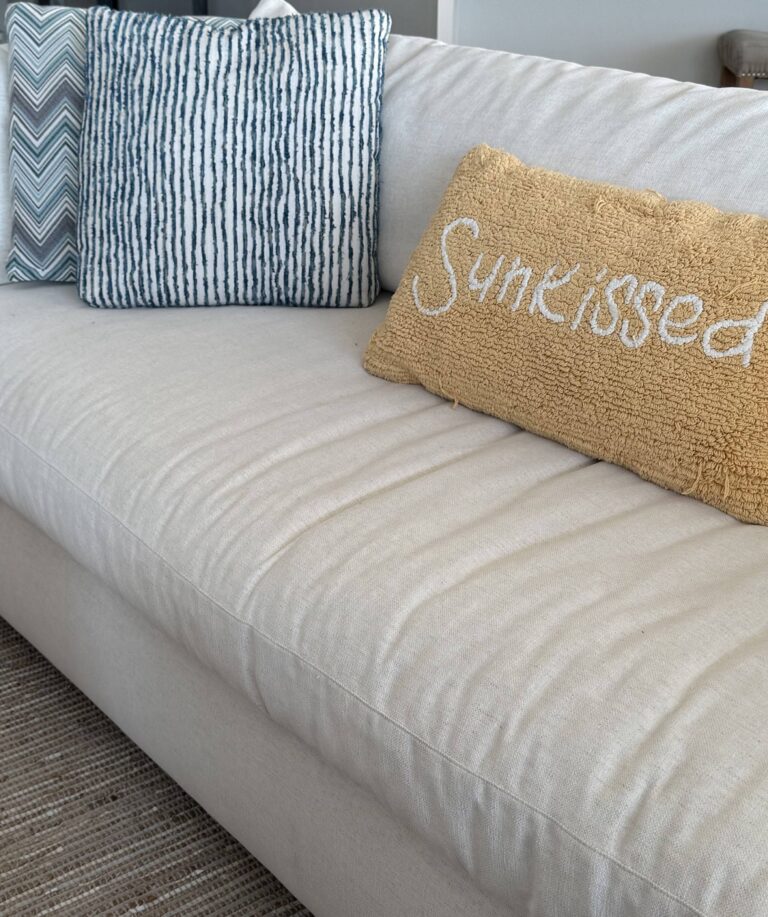
One accent pillow with a soft stripe or subtle wave print can elevate a neutral sofa and bring in a beachy feel.
A lightweight floor covering with a pattern in tones of sandy beige and pale blue can anchor a room.
Use patterned curtains or upholstery in smaller quantities to avoid overwhelming the space.

6. Bring the essence of the coast into your home with Accent Pieces That Echo the Coast
You can reference the coast without going full “nautical museum.” Thoughtfully chosen accents help tie the theme together. For example, wooden distressed frames, a mirror with weathered wood, artwork featuring water views, and decorative beach-themed items (in an understated manner).
The key: less is more. Too many literal beach props (like huge seashell piles) can tip the balance into cliché.
Tips:
- Choose 1-2 standout coastal accent pieces per room (e.g., a driftwood coffee table tray + a sea glass vase) rather than sprinkling many small themed items.
- Keep accessories in your palette — muted, complementary.
- Store or rotate out items occasionally to keep the space fresh and prevent it from becoming overloaded.
7. Reflect Light and Keep the Room Airy
Coastal homes feel open, spacious, and filled with natural light. Since humidity and salt air are prevalent near waterview homes, consider materials and furnishings that are durable and easy to maintain.
Tips:
- Pick upholstery with removable slipcovers (linen or cotton) for easy washing and a coastal touch.
- Use glass or light-colored surfaces for occasional furniture to enhance the coastal vibe.
- Avoid heavy draperies; opt for airy sheers or simple panels instead.
- Keep the layout open: don’t overcrowd the room with furniture, let it breathe.
8. Let the Outdoor Living Space Blend Seamlessly
In your coastal area, indoor-outdoor living is a huge part of the lifestyle. Your décor should flow from inside to patio or balcony.
When you live near the water, the line between inside and outside is often blurred — embrace that.
Tips:
- Use outdoor rugs that mesh with the indoors in texture/color for a subtle coastal feel.
- Choose furniture for outdoors in woven or light-toned materials (such as rattan, teak, or aluminum in a light finish).
- Add water-safe fabrics in cushions, but stick to your coastal palette.
- Consider incorporating lighting, plants, and accessories outdoors that complement your indoor style (e.g., a lamp with a rope detail, a driftwood side table).
9. Stay Authentic to Your Locale — the Gulf Coast Advantage
You have a built-in style reference: the Gulf shimmer, dune grasses, bleached wood, soft sunsets, turquoise and emerald waters. Use those as cues rather than generic “beach house” décor from elsewhere.
For example, incorporate shell-white shiplap walls, use light furniture that echoes bleached-by-salt timber, and use accent colors drawn from the shallow Gulf water.
Tips:
Visit local shops in Destin or 30A (or whichever beach you are visiting) and source one or two artisan pieces (e.g., print of the Gulf) to ground your décor.
Use local plant inspiration: e.g., incorporating palms, sea oats, and grasses into your décor or vases.
Use subtle shell or coral accents, but in a refined way: perhaps one sculptural piece, not ten.
10. Use Functionality and Practicality — Keep It Relaxed
Coastal living is relaxed. Your décor should reflect that: comfortable furniture, fabrics that withstand humid climates, slipcovers or washable fabrics, and durable materials that are wind- and salt-air resistant.
Tips:
- Choose washable slipcovers or durable upholstery fabrics for high-traffic rooms.
- Use rugs that are easy to clean (e.g., jute, seagrass) in entryways or living areas.
- Consider how sand or salt may enter your home (especially if you come in from the beach/outdoor life) and choose sisal mats and easy-to-clean surfaces accordingly.
- Consider furniture orientation: let conversation areas face the view or outdoors/outdoors where possible, rather than always being centered on the TV.
Bringing It All Together: A Room Example
Let’s imagine your living room in your water-view home, decorated with seaside accents.
Here’s how you might apply these 10 tips:
- Walls & large furniture Are Painted in a soft off-white; your sofa features a neutral linen slipcover.
- Palette accents: Throw pillows in pale aqua and sea-grass green; a driftwood grey area rug with a subtle pattern.
- Texture & materials: Rattan side chair, seagrass basket for blankets, light-wood coffee table.
- View & outdoors: Large sliding doors open to your balcony; you keep sheer curtains and use a mirror on the interior wall to reflect light.
- Pattern layering: A rug with soft wave-inspired lines, a cushion with subtle stripe, curtains with a gentle geometric.
- Accent pieces: A large driftwood sculpture or vase, one piece of art with a peaceful water scene, a bowl of beach-glass (not piled seashells).
- Lighting & airiness: A floor lamp with a linen shade, furniture spaced to allow for a smooth flow, and minimal clutter on surfaces.
- Outdoor flow: Outdoor lounge furniture in the same neutral and accent palette, an outdoor rug in a similar tone, and palms in planters that echo the indoor greenery.
- Local style: Use artwork or accessories that reflect Gulf shore living — one print of dunes, a piece of weathered driftwood from the beach, a local boutique lamp with an oyster shell base.
- Functional practicality: Slipcovers are washable, a seagrass mat is provided at the entry to keep beach sand out, easy-to-clean surfaces are featured, and a storage basket is included for beach towels.
By layering these elements, your space will feel relaxed, elevated, and luminous. A home that channels the coastal lifestyle, yet remains timeless and sophisticated.