Coastal Living Room Furniture Guide: How to Choose the Perfect Pieces for a Relaxed, Timeless Space
Designing a coastal living room begins with choosing furniture that feels light, comfortable, and inspired by nature. Coastal style is not about filling a room with beach-themed decorations or obvious nautical touches.
Instead, it focuses on creating a calm, airy environment using natural materials, soft colors, and relaxed pieces that invite people to gather and unwind. Whether you are decorating a beach house, a lake retreat, or simply want to bring coastal style into your everyday home, the right living room furniture will set the foundation for the entire space.
What Makes a Room Feel Coastal (Not Just “Beachy”)
Coastal interior design is defined by simplicity, comfort, and natural beauty. Instead of heavy, dark pieces, this approach leans toward light wood furniture, soft upholstery, and materials and colors that reflect the shoreline’s hues and textures.
A coastal home should feel welcoming and lived in, not formal or overly styled. The goal is to create a light and airy atmosphere that feels bright during the day and cozy in the evening, while maintaining an effortless elegance that never goes out of style.
Start With the Right Sofa
The sofa is the most important piece in any coastal living room. A well-proportioned sofa anchors the space and sets the tone for everything around it.
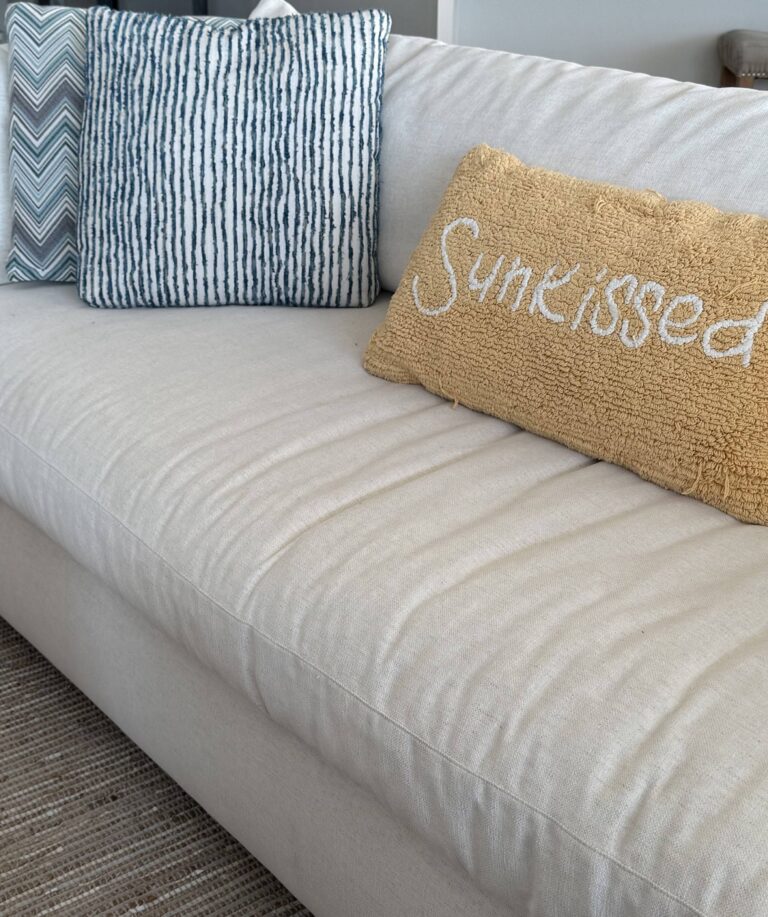
Coastal sofas typically feature relaxed silhouettes, deep seating, and breathable fabrics like linen or cotton.
Slipcovered sofas are among the most popular choices because they offer a casual, beachy appearance and are easy to clean, making them ideal for homes with children, pets, or frequent guests.
Neutral hues like crisp white, cream, or sand allow other textures to shine while reinforcing the ocean’s tranquil, seaside vibe.

Layer In Accent Chairs
Accent chairs play an essential role in adding texture to coastal interiors while maintaining a relaxed aesthetic. These sofas and chairs help create visual interest without overwhelming the room.
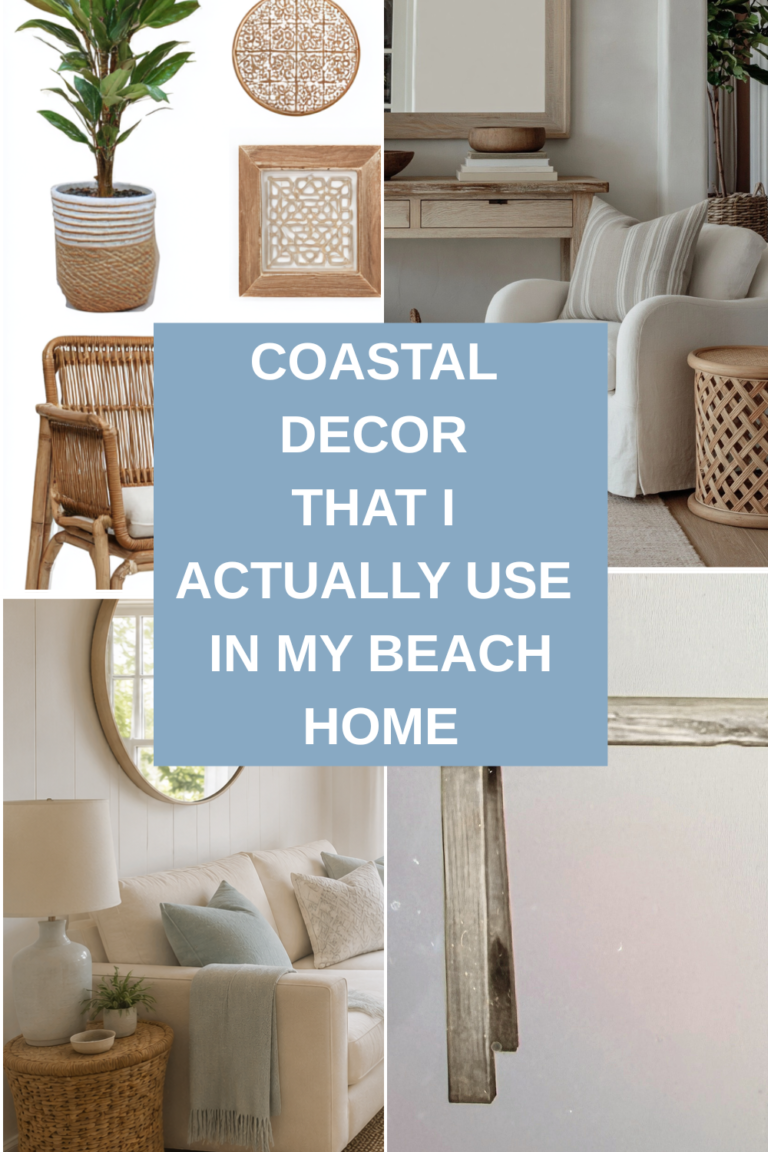
Woven materials like rattan and cane are especially common because they introduce warmth and organic character.
Upholstered pieces in linen fabrics or simple wooden frames also work beautifully. These natural elements subtly reinforce coastal charm while keeping the look refined rather than themed.
Choose a Coffee Table With Character
Coastal coffee tables favor natural finishes and relaxed shapes. Light oak, weathered wood, and driftwood-inspired pieces are classic choices because they echo the tones of the coastline itself.
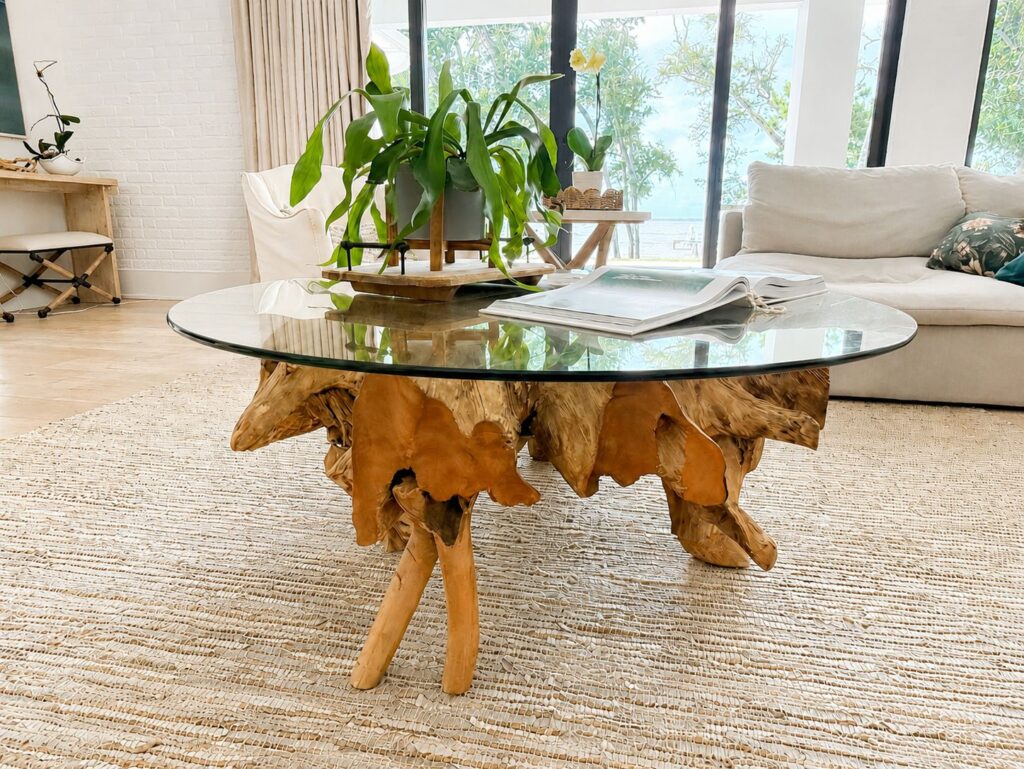
Round or organic silhouettes soften the layout and feel more inviting than sharp, formal lines. The best coastal coffee table looks functional and slightly imperfect, not showroom-perfect.
Don’t Overlook Side Tables
Side tables should feel light and unobtrusive rather than bulky. White-painted wood, natural finishes, woven textures, or seagrass details all complement the rest of the room without competing for attention. Slim silhouettes and open bases help maintain the breezy feel that defines the style.
Media Consoles and Storage That Blend In
Storage pieces should support daily life without dominating the room visually. Coastal media furniture often features light tones, slatted details, and minimal hardware. Open shelving is a good option in open-concept homes, especially where indoor and outdoor living areas visually connect.
Materials That Define the Coastal Look
Materials do as much work as color in coastal design:
- Light woods like oak and pine, plus whitewashed finishes, reflect natural light and add warmth without heaviness.
- Linen and cotton provide softness and breathability for upholstery, pillows, and curtains.
- Rattan and cane add depth and texture to chairs, tables, and accents.
- Jute and seagrass rugs ground the room with earthy, natural appeal.
Together, these materials create a layered environment that feels calm, textural, and inviting.
Build a Coastal Color Palette
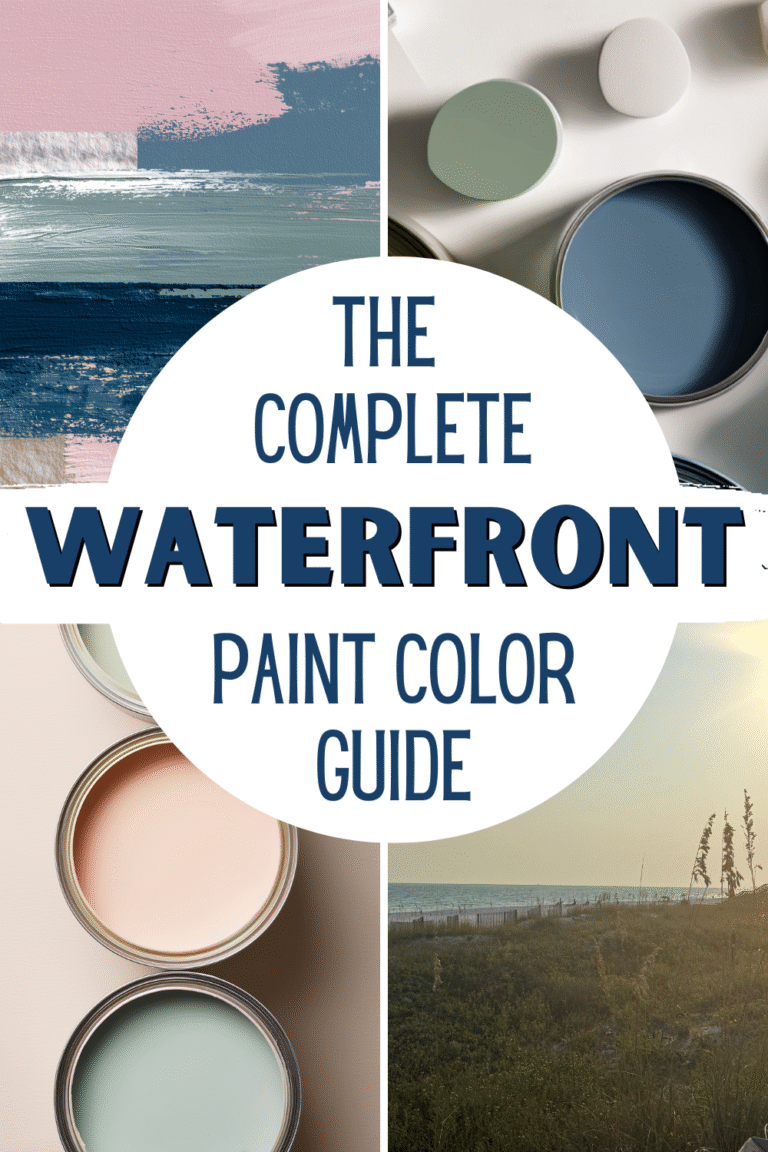
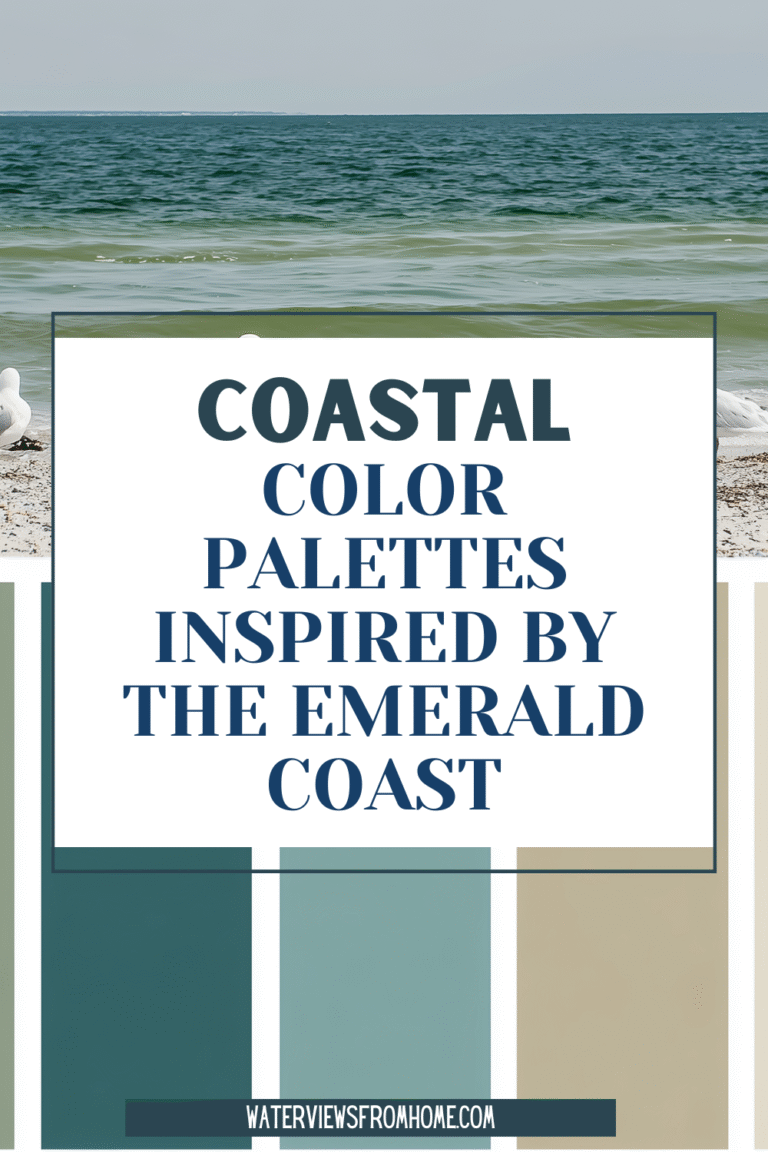
The most successful coastal spaces rely on a neutral palette inspired by sand, sky, and water: soft whites, warm beige, light blue, seafoam green, and weathered gray.
Subtle blue and green accents add a pop of color while keeping the room harmonious. Coastal interiors favor tonal layering over bold contrast, the goal is a palette that soothes the eye rather than demands attention.
Layer Furniture and Accessories for a Lived-In Feel
Pair a neutral sofa with woven chairs. Place a seagrass rug beneath light wood furniture. Mix painted finishes with natural textures.
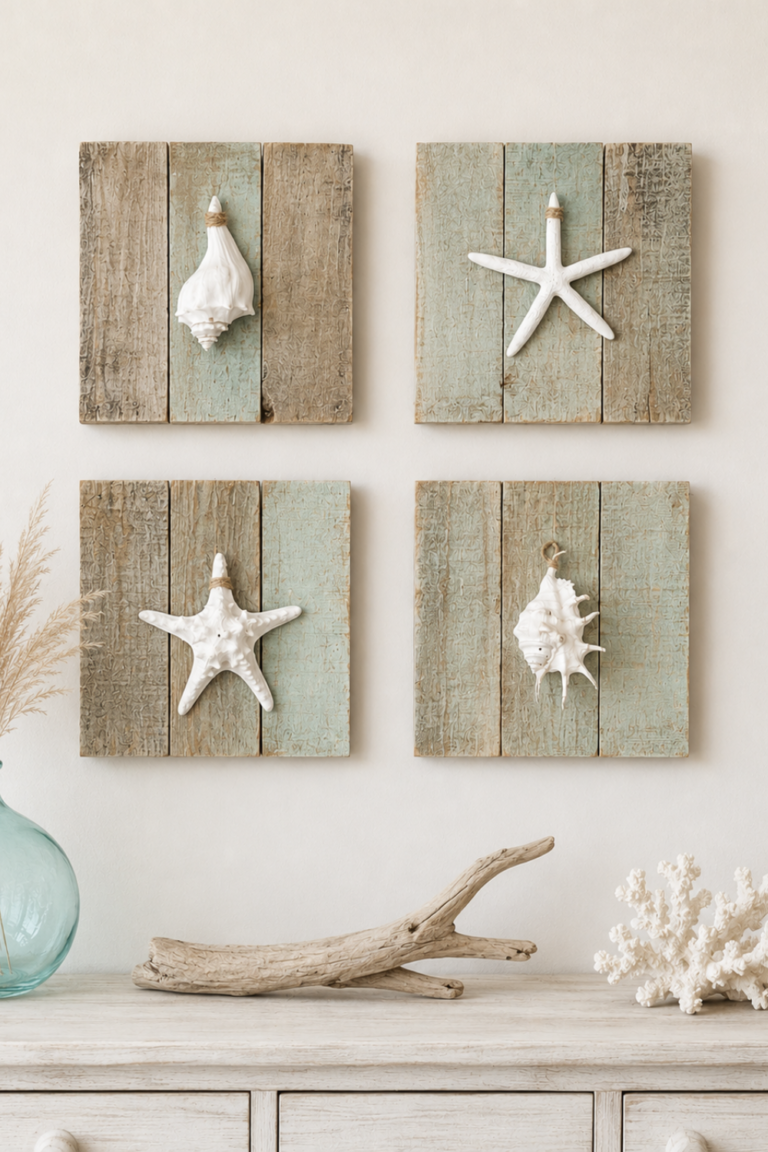
Add a ceramic table lamp, sheer curtain panels to filter light, and a few decorative accents like sea glass bowls or colored glass bottles. A little driftwood or a handful of shells collected from the shore can add authenticity, just don’t let it tip into theme-park territory.
Prioritize Function, Especially Near Water
Homes near the coast face humidity, sun exposure, and heavier foot traffic. Performance fabrics, washable slipcovers, and durable finishes keep furniture looking good longer while making it easier to maintain.
Comfortable, practical pieces ensure the room stays inviting for everyday life, not just for photos.
Making a Small Room Feel Bigger
If you’re working with limited square footage, a few choices make a real difference:
- Slim-arm seating instead of oversized sofas
- Open-base tables that let light and sightlines pass through
- Mirrors placed to reflect natural light
- Furniture raised on visible legs, which opens up the floor and adds breathing room
Coastal Design vs. Beach-Themed Decor
It’s worth distinguishing the two. Beach-themed rooms often lean on anchors, rope details, seashells, and starfish, overt nautical motifs that can feel more novelty than design.
True coastal design focuses on natural textures, subtle seaside references, and a calm atmosphere. The result feels timeless and sophisticated rather than seasonal or kitschy.
Coastal style also blends well with other design languages. Modern coastal spaces lean into cleaner lines and minimal decor, while traditional coastal homes favor classic silhouettes and softer details.
Many homeowners extend the palette beyond the living room, into a coastal bedroom, for instance, for a cohesive feel throughout the home.
Common Mistakes to Avoid
- Too much white without texture. It can read as sterile rather than serene.
- Overly matched sets. Furniture and decor that match too perfectly lose visual interest.
- Heavy woods, glossy finishes, or dark upholstery. These work against the light, airy quality coastal design depends on.
Instead, collect pieces gradually and let the room evolve naturally over time.
A Step-by-Step Plan for Building the Room
- Start with a neutral sofa to establish the foundation.
- Add textured accent chairs to introduce warmth.
- Choose a driftwood or light wood coffee table to anchor the seating area.
- Ground the space with a jute or seagrass rug.
- Add side tables and storage in light finishes.
- Finish with soft textiles and understated coastal decor.
The Feeling You’re Actually Designing For
The emotional goal of coastal design matters as much as the visual one. A well-designed room should feel calm, restorative, and welcoming, a space that encourages people to slow down and connect.
During the day it should feel bright and open; in the evening, warm and comforting.
Coastal living remains one of the most enduring approaches in home design because it balances beauty with practicality.
By focusing on natural materials, breathable fabrics, relaxed silhouettes, and a palette drawn from the shoreline, you can create a living room that feels timeless rather than trendy — one you’ll still love years from now.